
When most building owners and property managers hear “AI camera analytics,” they assume it means an expensive, disruptive replacement of their entire camera infrastructure.
In most cases, that assumption is wrong — and it’s keeping properties from accessing technology that could meaningfully improve their security posture.
Here’s what AI camera analytics actually is, and why your building might already be closer to implementing it than you think.
What AI Camera Analytics Does (In Plain English)
Traditional security cameras do one thing: record. They capture footage, store it, and wait for someone to review it after an incident. That’s reactive security.
AI-enabled camera technology adds an intelligence layer on top of the recording function. Instead of just capturing video, the system actively analyzes what the cameras see — in real time.
What that looks like practically:
Person vs. motion detection: Standard motion sensors trigger on anything — a branch, a shadow, a passing car. AI analytics distinguishes between person, vehicle, and environmental motion. Far fewer false alerts.
Behavioral pattern analysis: The system can identify loitering, unusual movement in restricted areas, or activity outside normal hours — and alert your team automatically.
Occupancy monitoring: Track building usage patterns over time. Useful for facilities planning, lease negotiations, and understanding how common areas are actually being used.
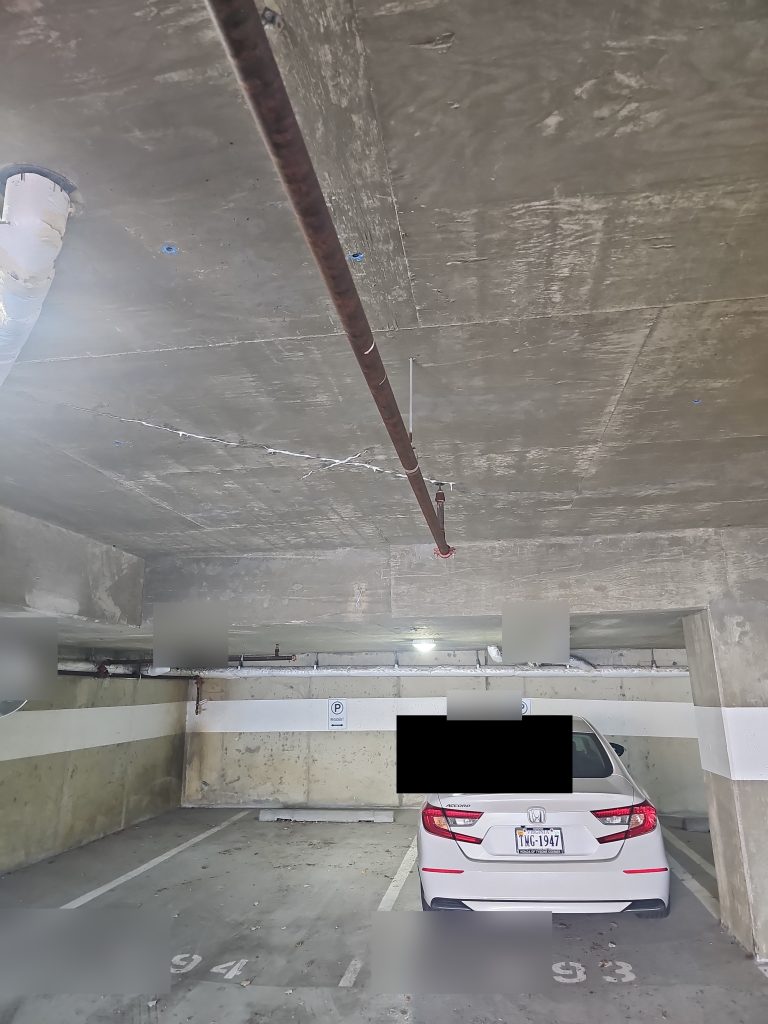
License plate recognition: For properties with parking structures or controlled vehicle access, AI analytics can automate vehicle identification and flag unauthorized vehicles.
Automated incident documentation: The system clips and tags flagged events automatically, dramatically reducing the time required to review footage for incidents.
Why You Probably Don’t Need New Cameras
This is the part that surprises most property managers.
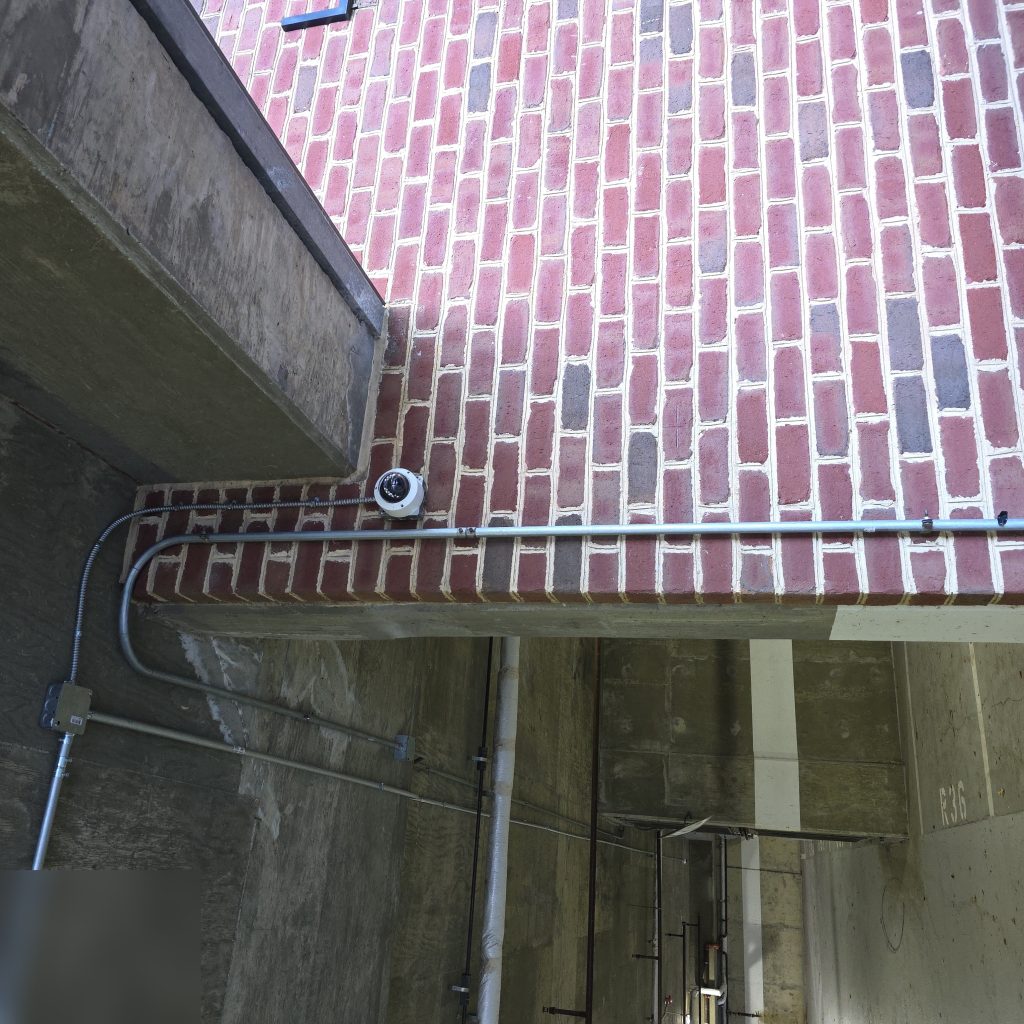
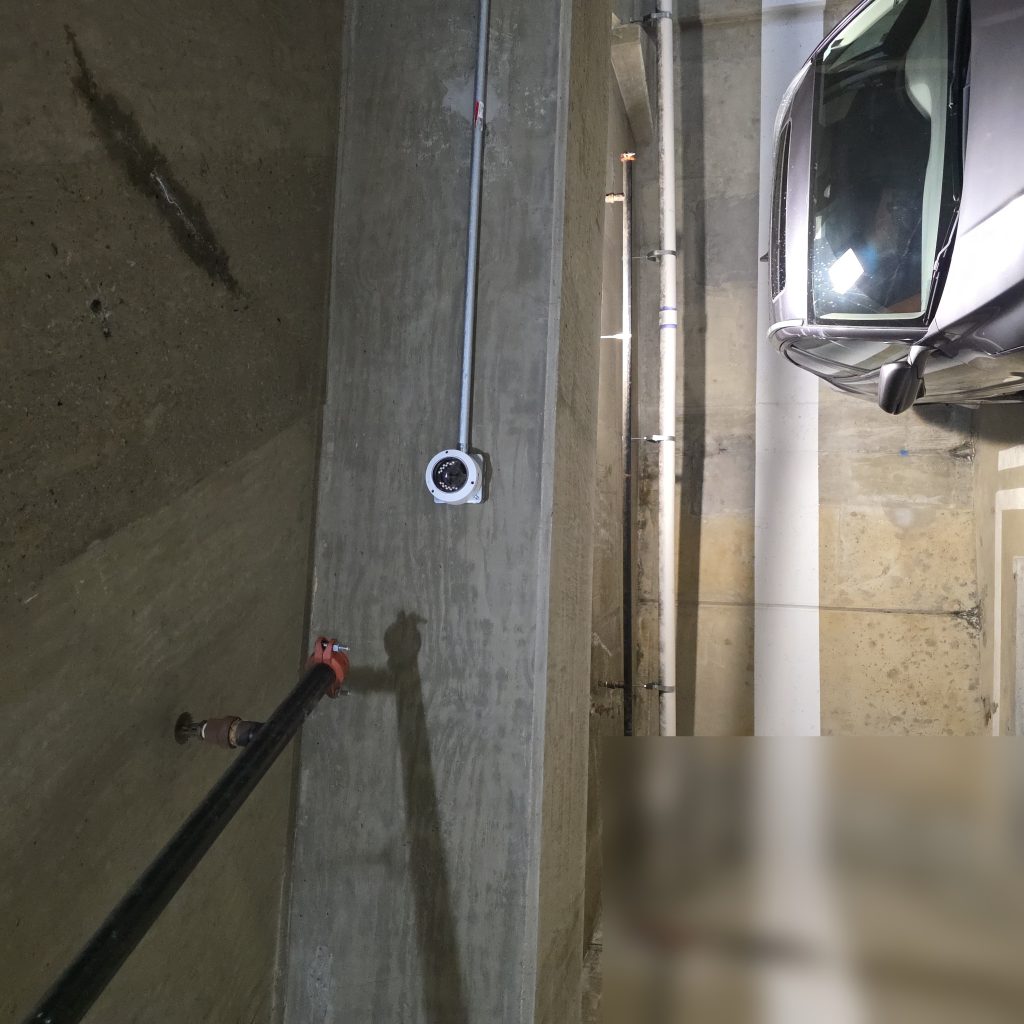
AI analytics platforms are designed to integrate with existing IP camera infrastructure. In the majority of commercial properties we assess, the cameras themselves are already capable of supporting AI analytics — what’s missing is the software and integration layer.
We evaluate existing camera systems for resolution, network connectivity, and compatibility with our AI analytics platform. In many cases, the answer is: your cameras work, let’s layer the intelligence on top.
There are situations where camera upgrades are needed — very old or very low-resolution systems, analog cameras without IP conversion, or cameras positioned in ways that don’t support analytics use cases. But a full rip-and-replace is the exception, not the rule.
The Liability and Documentation Benefit
Beyond the operational value of AI camera analytics, there’s a documentation benefit that property managers often underestimate.
AI-analyzed footage — with automatic event tagging, timestamps, and behavioral classification — is significantly stronger as evidence than raw, unclassified recordings. When you need to support an insurance claim, cooperate with law enforcement, or defend a liability position, AI-documented footage changes the conversation.
What Implementation Looks Like
For commercial properties in Maryland, Virginia, and DC that want to explore AI-enabled camera technology, our process starts with a site assessment. We review your existing camera infrastructure, network environment, and security objectives — and give you a concrete picture of what integration would look like, what it would cost, and what you’d gain.
Innovative Developments LLC is a licensed low voltage security contractor serving commercial properties across the DMV region and beyond. We partner with an AI analytics platform and can bring that capability to your building as part of a broader security upgrade or as a standalone integration.
Request a free AI camera analytics assessment for your property.