
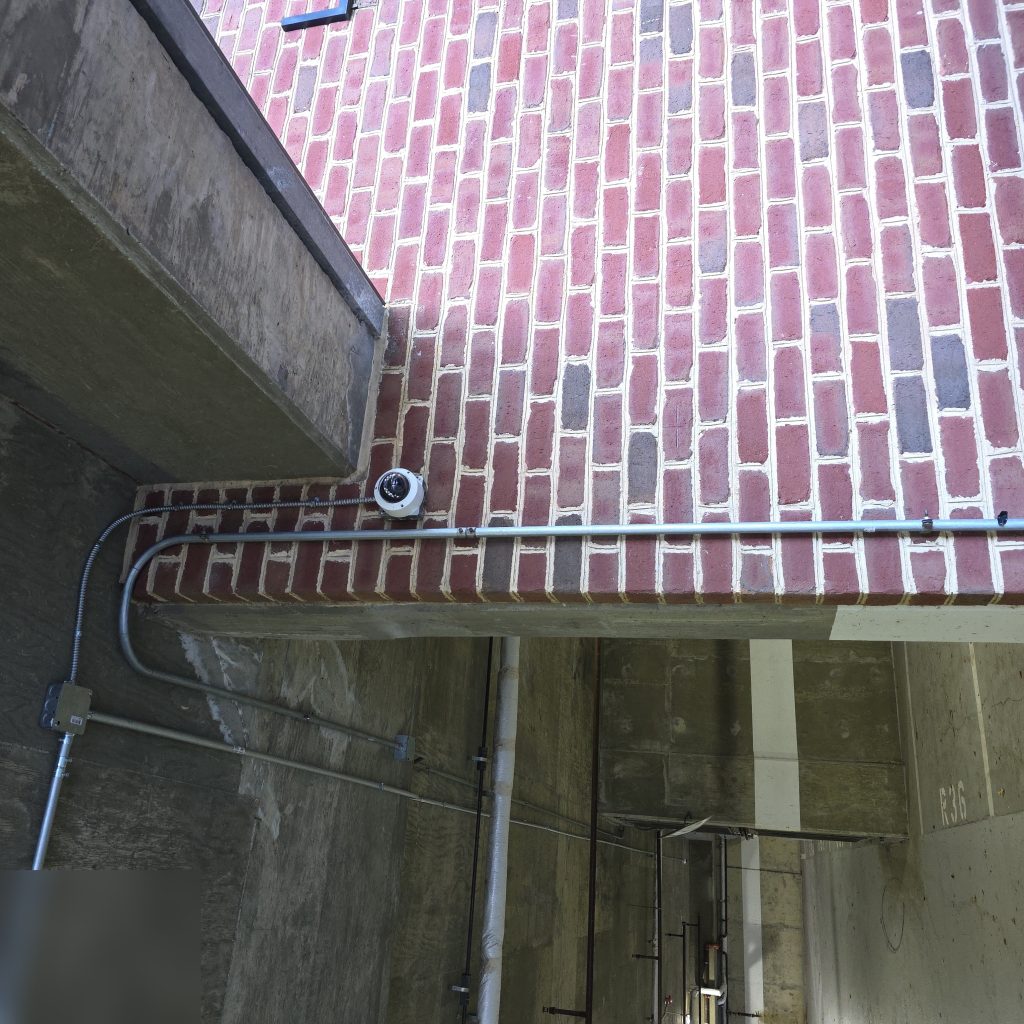

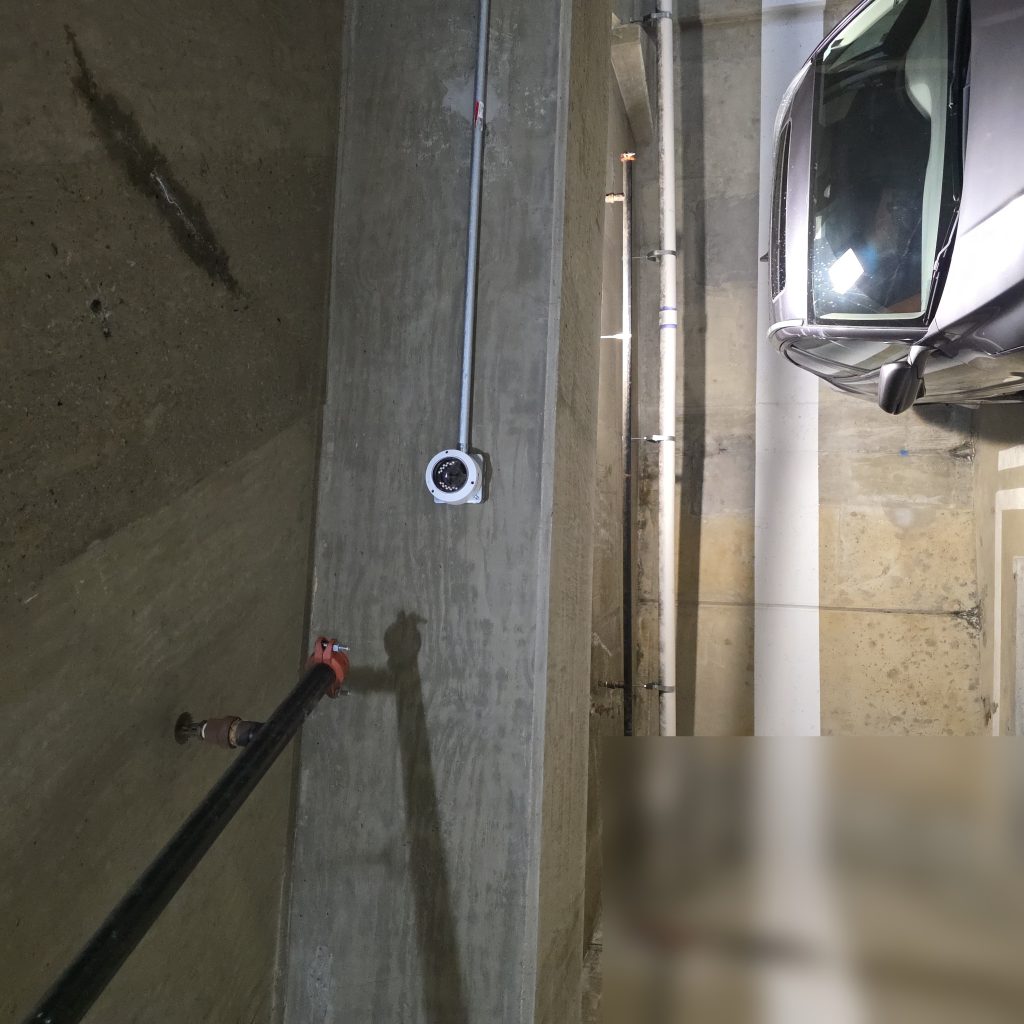

Access control is one of the most impactful upgrades a property manager can make to a building’s security infrastructure — and also one of the most misunderstood. This guide covers what access control actually is, what it does for your property, and what to look for in an installation.
What Is Access Control?
Access control is any system that manages who can enter a building, area, or room — and logs that activity. In modern buildings, access control has largely replaced physical keys with credential-based systems.
Common credential types:
- Key fobs — RFID-based, easy to issue and deactivate, familiar to most tenants
- Key cards — Similar to fobs; often preferred for office environments
- Mobile credentials — Access via smartphone app; increasingly preferred by tenants
- PIN codes — Used for secondary verification or low-security areas
Why Property Managers Are Moving Away From Physical Keys
Physical keys have a fundamental limitation: you can’t deactivate them remotely. When a tenant moves out, an employee leaves, or a contractor engagement ends, any unreturned key remains a potential security vulnerability indefinitely.
With access control, deactivation takes seconds. One click in a dashboard removes a credential. The system logs the deactivation. If that credential is used after deactivation, the system records the attempt and denies access.
For Maryland property managers handling high tenant turnover or frequent contractor access, this operational efficiency translates directly into cost savings and reduced liability.
The Audit Trail Advantage
Beyond credential management, modern access control systems generate detailed logs: every credential used, every door accessed, every failed attempt — all timestamped.
This documentation has several practical applications:
Liability defense: When an incident occurs and the question is “who was in the building,” you have a documented answer.
Lease enforcement: Access logs provide evidence if tenant access agreement violations are disputed.
Insurance claims: Documented, timestamped entry records strengthen insurance claim positions significantly.
Law enforcement cooperation: When law enforcement requests access information in connection with an incident, a documented log is dramatically more useful than “we’re not sure.”
How to Choose the Right System for Your Building
Size and complexity: Single-building HOA vs. multi-building campus vs. commercial office park have very different requirements. A good installer will scope the system to your actual needs.
Integration requirements: Does the system need to integrate with your property management software, visitor management platform, or camera system? Integration capability varies by hardware brand.
Scalability: How many doors now? How many in three years? Plan for growth.
Management interface: Property managers need to be able to issue credentials, revoke access, and pull reports without calling the installer every time. Insist on a demo of the management dashboard before committing.
What Installation Looks Like
A typical access control installation for a multifamily or commercial property includes:
- Site survey — door inventory, wiring assessment, panel placement planning
- Infrastructure installation — cable runs, panel and controller installation
- Hardware installation — readers, electric locks or strikes, REX devices
- Software configuration — access groups, user setup, integration configuration
- Credential issuance — onboarding tenants/staff to the new system
- Testing and handoff — full system test, management training
A well-executed installation transitions from old system to new with zero gap in building access.
Innovative Developments LLC installs access control systems for commercial and multifamily properties across Maryland, Virginia, DC, Delaware, and Pennsylvania. Licensed, $5M insured, 3-year hardware warranty.
Contact us for a free access control assessment for your building.