
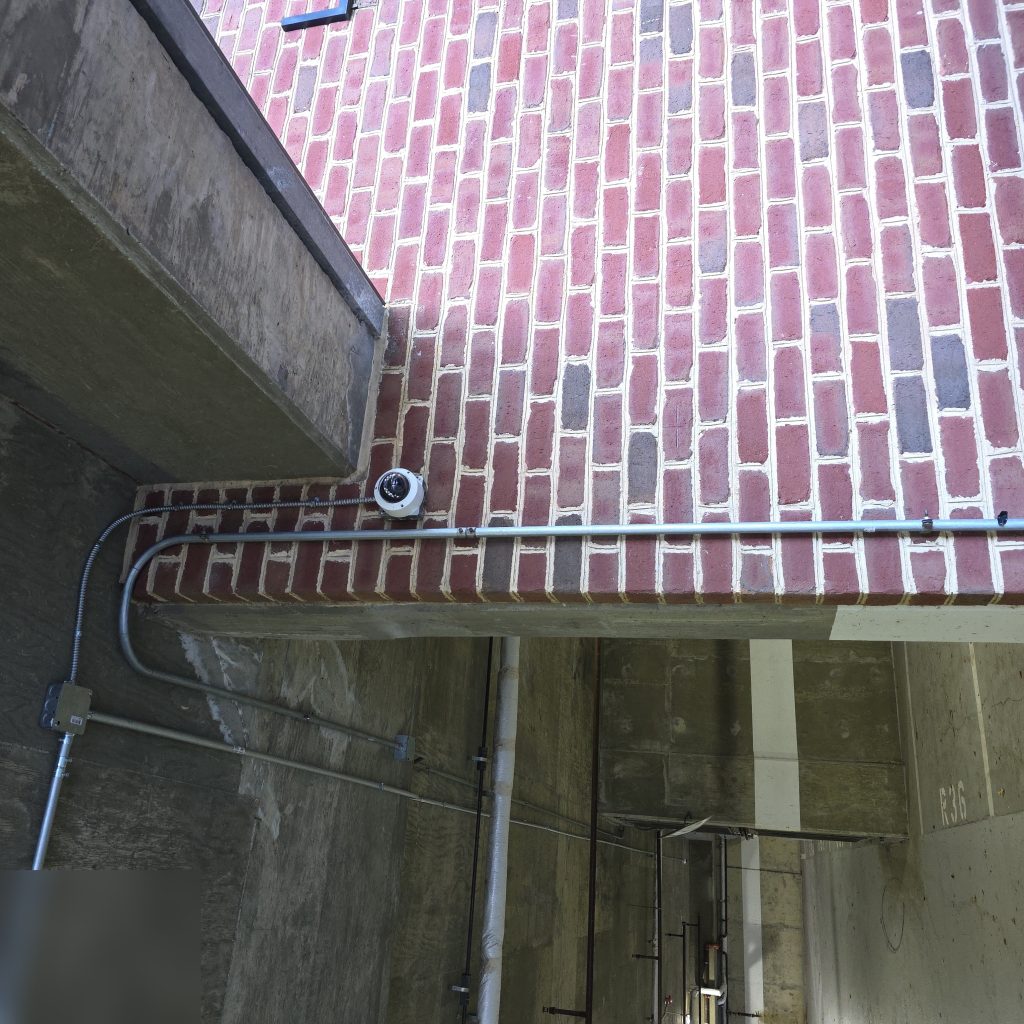
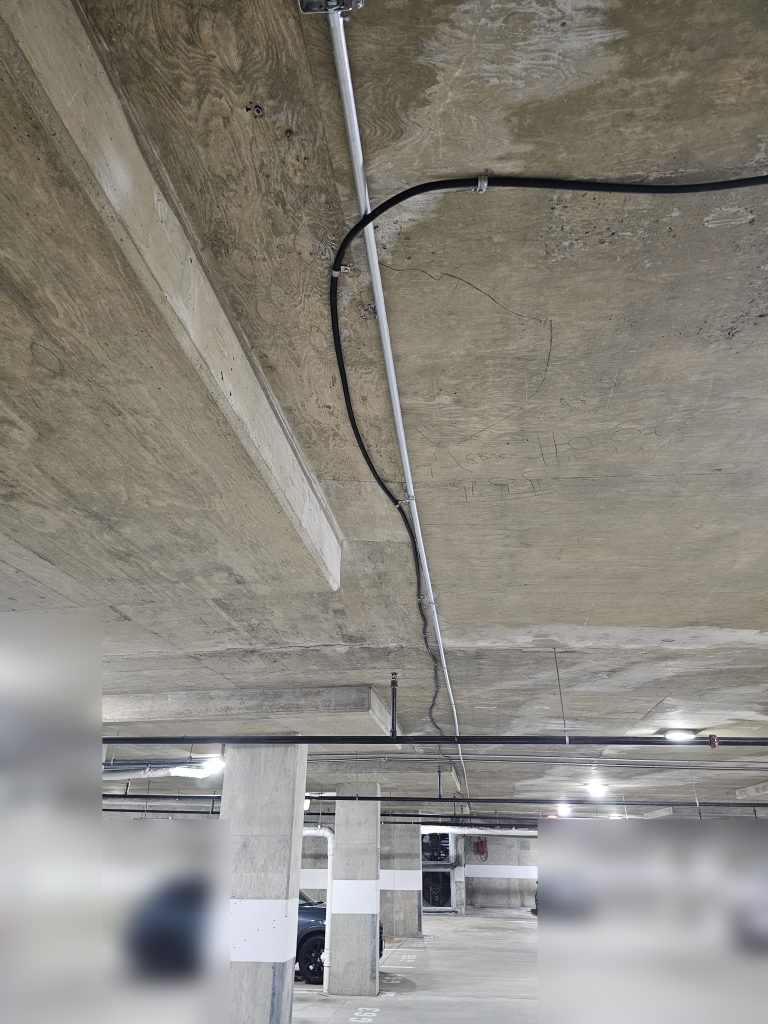
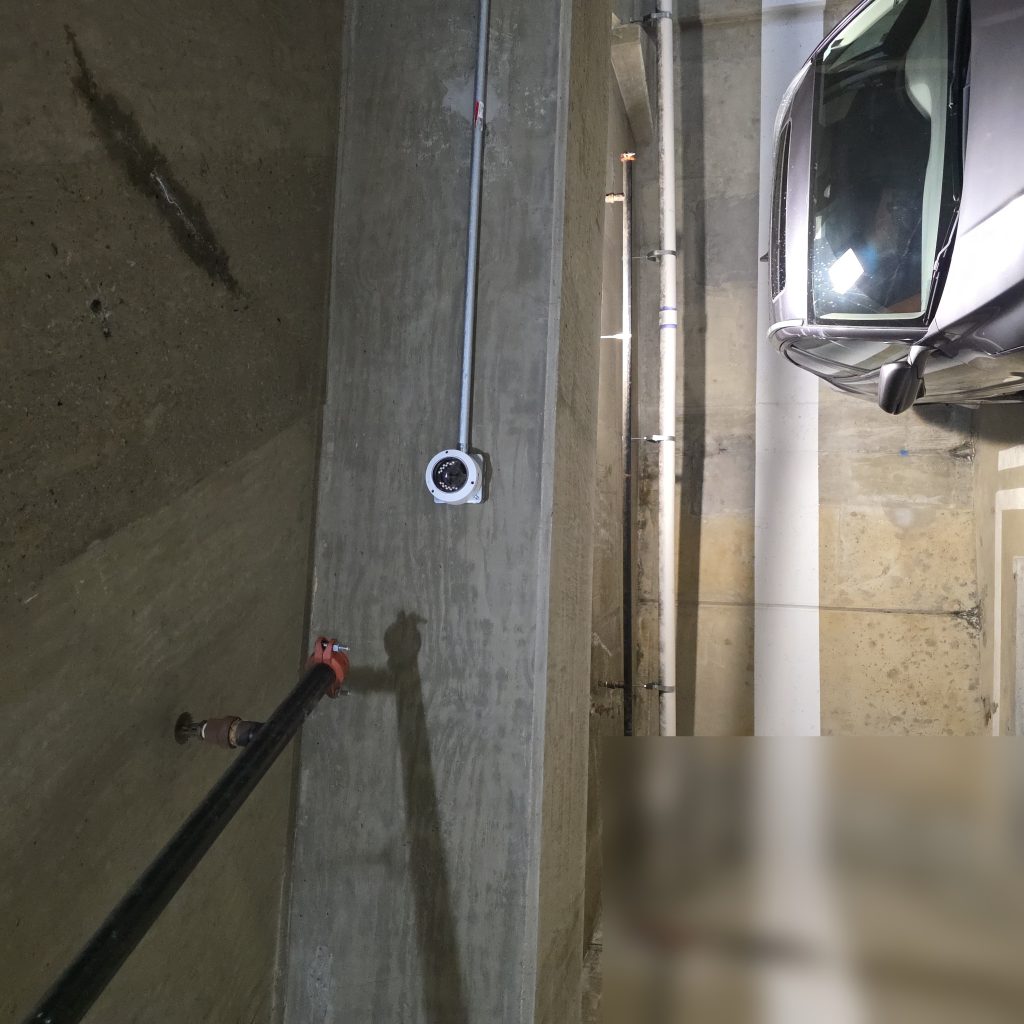
Commercial building owners and property managers in Virginia are increasingly moving from legacy analog CCTV systems to IP-based camera networks. This shift brings significant improvements in image quality, remote access, and analytical capability — often without the full infrastructure replacement owners expect.
IP Cameras vs. Analog: The Key Differences
The fundamental difference between IP and analog cameras is how video data travels from the camera to the recording system.
Analog cameras transmit a continuous video signal over coaxial cable to a Digital Video Recorder (DVR). Image quality is limited by the analog signal, typically in the range of 720p to 1080p at best.
IP cameras convert video to digital data at the camera itself and transmit it over a network to a Network Video Recorder (NVR) or cloud storage. This enables:
- Higher resolution — 2MP, 4MP, and 8MP (4K) cameras are standard
- Remote viewing from any device with internet access
- AI-based analytics built into the camera firmware
- Easier scalability — add cameras without adding dedicated coax runs
- Integration with access control and alarm systems
Can I Keep My Existing Wiring?
One of the most common questions we hear from Virginia property managers is whether they need to rewire their entire building for IP cameras.
In most cases, the answer is no. If your building has existing coaxial cable, IP cameras can use that infrastructure with the addition of HDCVI or HDTVI technology — essentially encoding the digital signal for transmission over coax. You get IP-quality resolution without new cable runs.
If your building is Cat5 or Cat6 wired, you’re in an even better position — native PoE (Power over Ethernet) IP cameras run directly on that infrastructure.
AI Analytics: What’s Practical for Commercial Buildings
Modern IP cameras support AI analytics features that were enterprise-only just a few years ago:
- Motion zone detection — alerts when activity occurs in defined areas after hours
- Loitering detection — flags when someone remains in a monitored area for an extended period
- People counting — tracks foot traffic through entry points for operational planning
- License plate recognition — logs vehicles entering parking areas
For most commercial buildings in Virginia, motion zone alerts and after-hours loitering detection deliver the highest return at the lowest complexity.
Remote Monitoring for Virginia Commercial Properties
A properly configured IP camera system allows building managers and security staff to:
- Access live camera feeds from any smartphone, tablet, or computer
- Review recorded footage filtered by date, time, and camera location
- Download and share video clips for incident documentation
- Receive push notifications for motion events in defined zones
- Check camera health status (online, offline, storage capacity)
Choosing Camera Locations
Effective camera placement for a commercial building typically covers:
- All building entrances and exits
- Lobby and reception areas
- Parking lot coverage with angles that capture license plates
- Loading docks and service entrances
- Stairwells and elevator lobbies in higher-security applications
A camera coverage map — showing monitored zones and identifying blind spots — is part of every security assessment we conduct.
Our Process for Virginia Commercial Properties
We handle IP camera installations for commercial buildings throughout Northern Virginia, including Arlington, Alexandria, Fairfax, Reston, and Herndon.
Our process starts with a free site assessment: we evaluate your existing infrastructure, map your coverage needs, and deliver a written recommendation before you spend a dollar on equipment.
Through April 30, 2026, assessments include a complimentary written security report and free IP camera with any installation.