
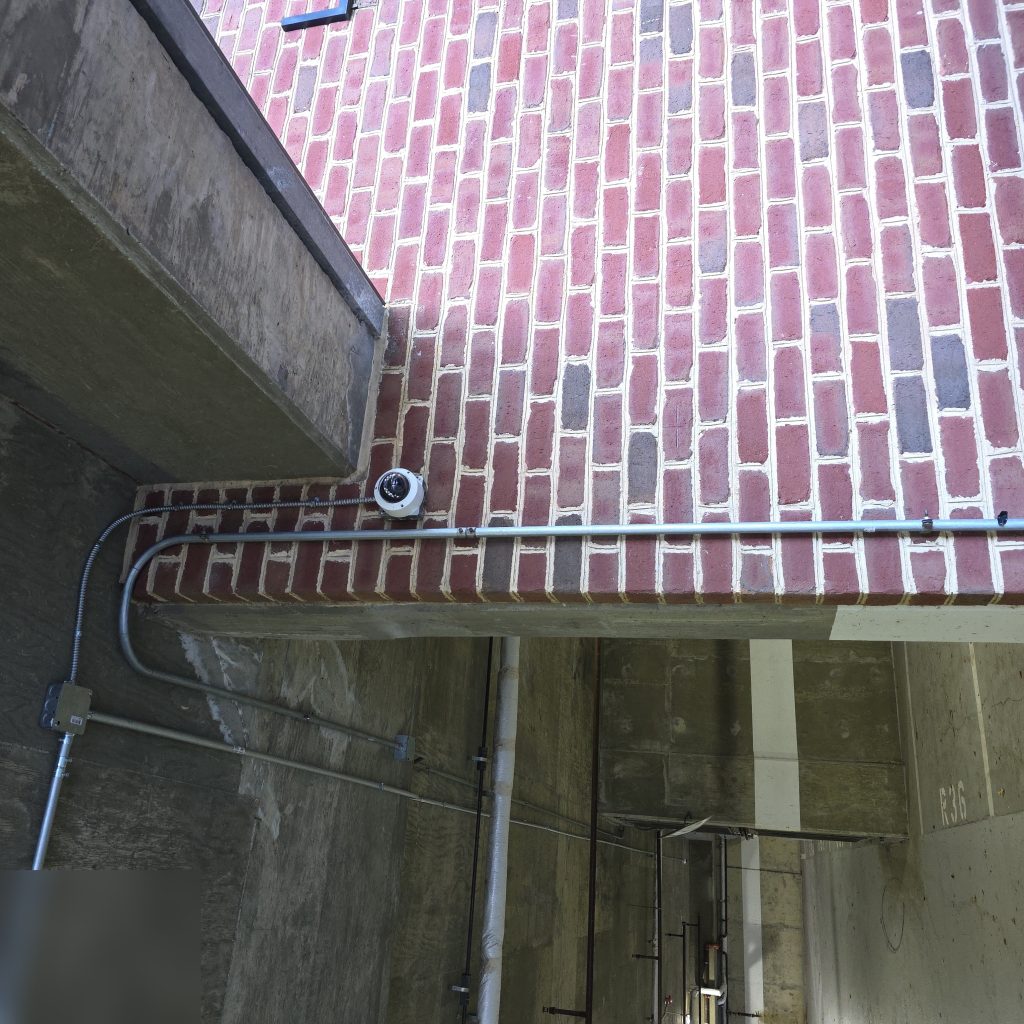
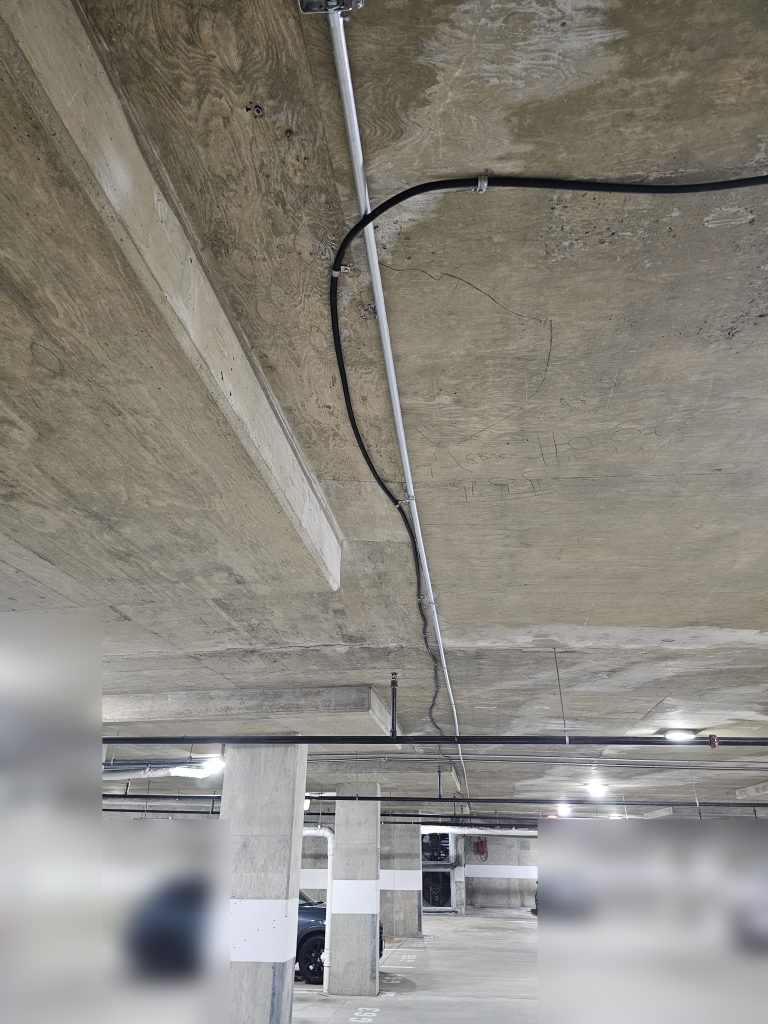
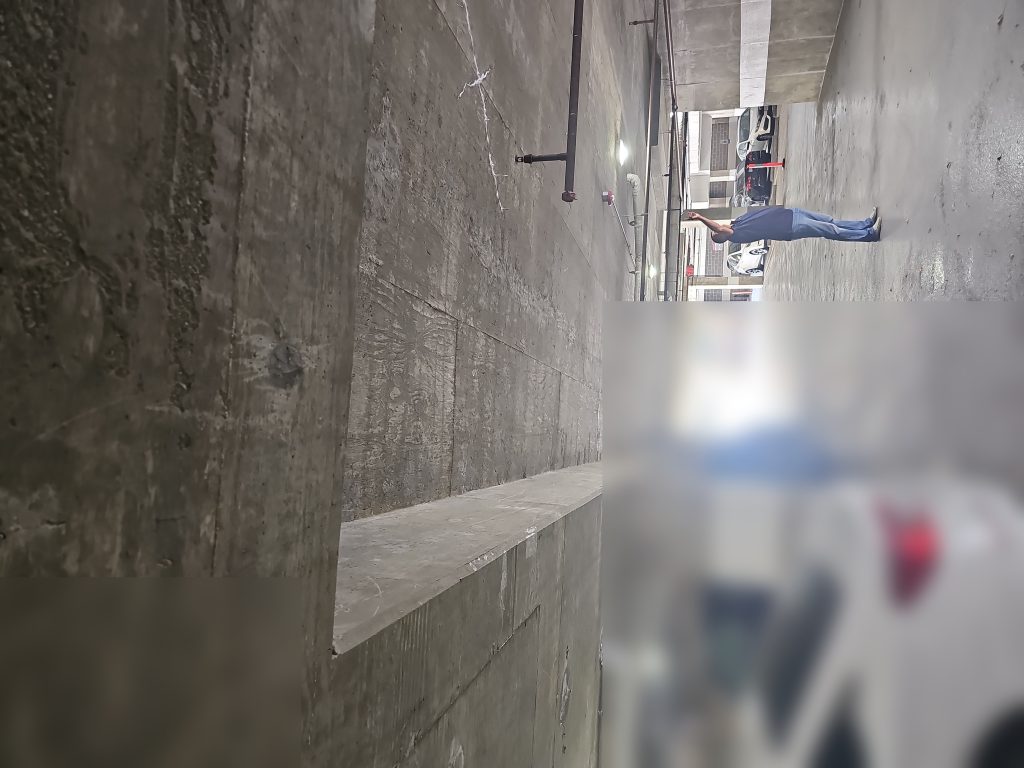
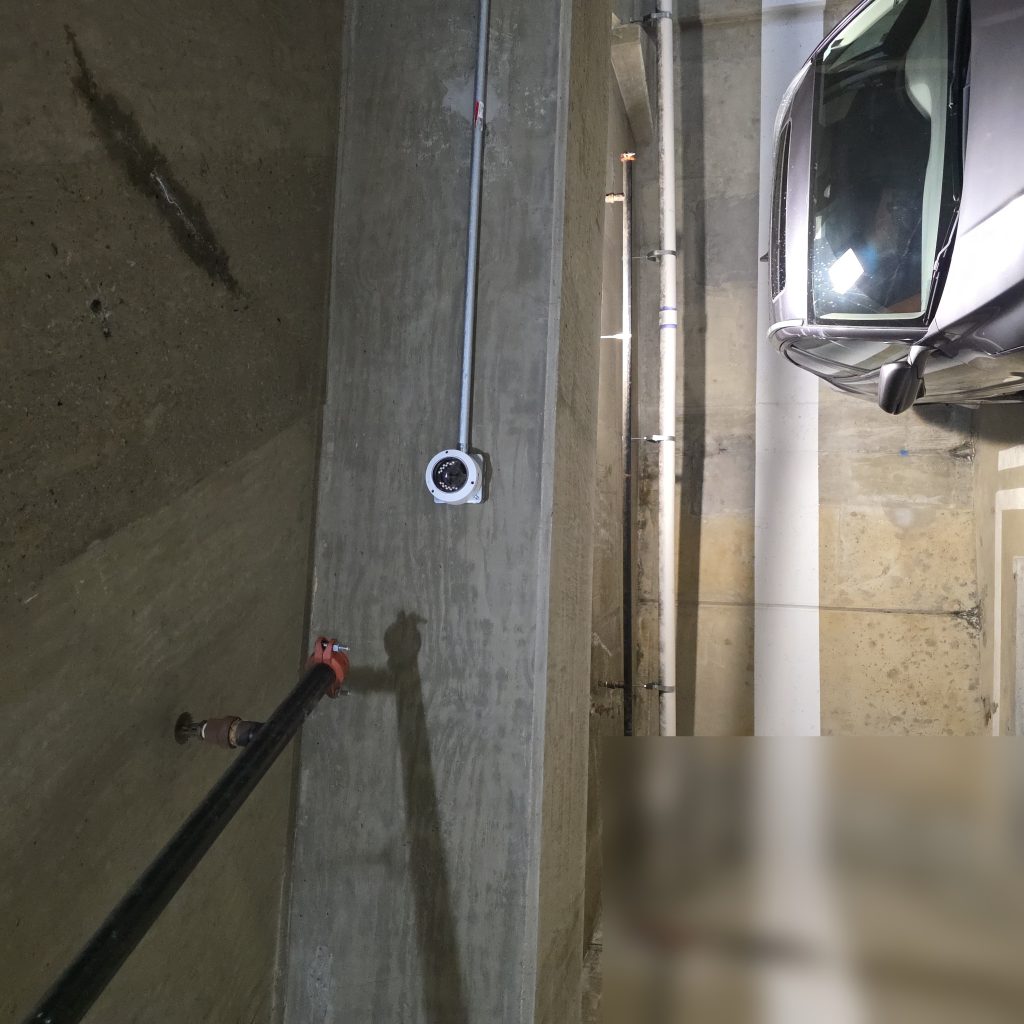
A building security assessment is a systematic review of a property’s physical security infrastructure — cameras, intercoms, access control, and related wiring. It documents what exists, identifies gaps, and provides a prioritized set of recommendations.
For property managers and building owners, it answers one essential question: If something happens, will your security infrastructure document it — and could it have prevented it?
Who Should Get a Security Assessment
A building security assessment is most valuable for:
- Properties with aging systems — camera systems or intercoms more than 5–7 years old may have significant capability gaps compared to current technology
- New property managers — taking over a building without full documentation of the existing security infrastructure
- Properties that have experienced incidents — theft, vandalism, or trespassing that the existing system failed to prevent or document
- Owners planning capital improvements — understanding the current state before budgeting for upgrades
- Buildings seeking insurance review — some insurers offer premium adjustments for documented security programs
What a Security Assessment Covers
A thorough assessment walks every controlled entry point and evaluates:
Camera System
- Inventory of existing cameras with condition notes
- Coverage map — what areas are monitored, what areas have blind spots
- Recording system review — NVR/DVR capacity, retention period, remote access capability
- Image quality evaluation — are cameras producing footage useful for incident investigation?
Intercom System
- Panel condition and functionality at each entry point
- Resident connectivity — are units properly wired or configured?
- Integration with building access control
- Visitor management capability
Access Control
- Inventory of credential readers, door strikes, and magnetic locks
- Door hardware condition — latch alignment, closer function, frame integrity
- Credential management — how are new credentials issued, revoked?
- Audit log availability
Infrastructure
- Cabling condition and type
- Power and UPS coverage for security equipment
- Network connectivity at camera and intercom locations
What You Receive After the Assessment
A professional security assessment delivers a written report that includes:
- Complete inventory of existing security equipment with condition ratings
- Coverage map showing monitored and unmonitored areas
- Identified vulnerabilities — specific to your property
- Prioritized recommendations — organized by urgency and impact
- Rough cost ranges for recommended improvements
This document is yours. Use it with building ownership, your insurance carrier, your HOA board, or simply as a baseline for planning future capital improvements.
How Long Does It Take?
For most residential and small commercial properties, the on-site portion takes one to two hours. The written report is typically delivered within two to three business days.
Schedule Your Free Assessment
We conduct free building security assessments for property managers and building owners throughout Maryland, Virginia, and DC.
Through April 30, 2026, every free assessment includes a complimentary written security report ($450 value) and a free IP camera with any installation booked by the deadline ($380 value).