
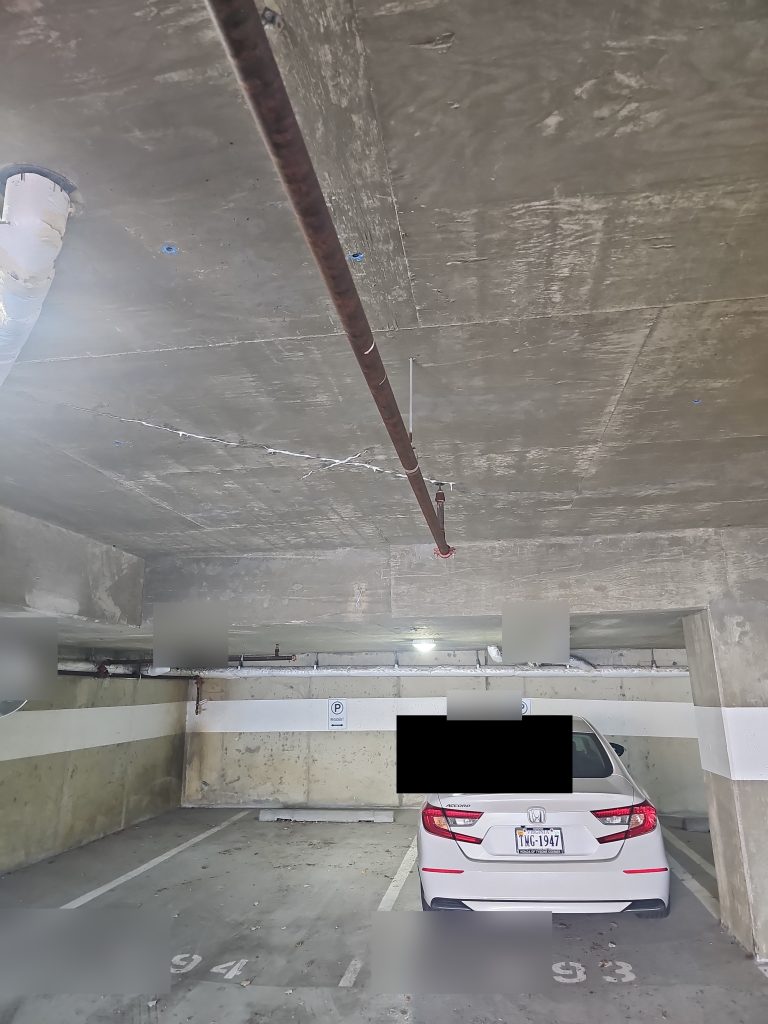
Walk through most multifamily buildings and you will find the same pattern: a card reader at the main entry, readers at the parking garage, and then open stairwells from there. Anyone who gets through the first controlled point can move through the building vertically without encountering another credential check.
That is a significant gap. Stairwells connect every floor to every other floor, to the parking garage, and often to roof access and mechanical spaces. Leaving them uncontrolled means controlled entry at the perimeter does not actually contain access within the building.
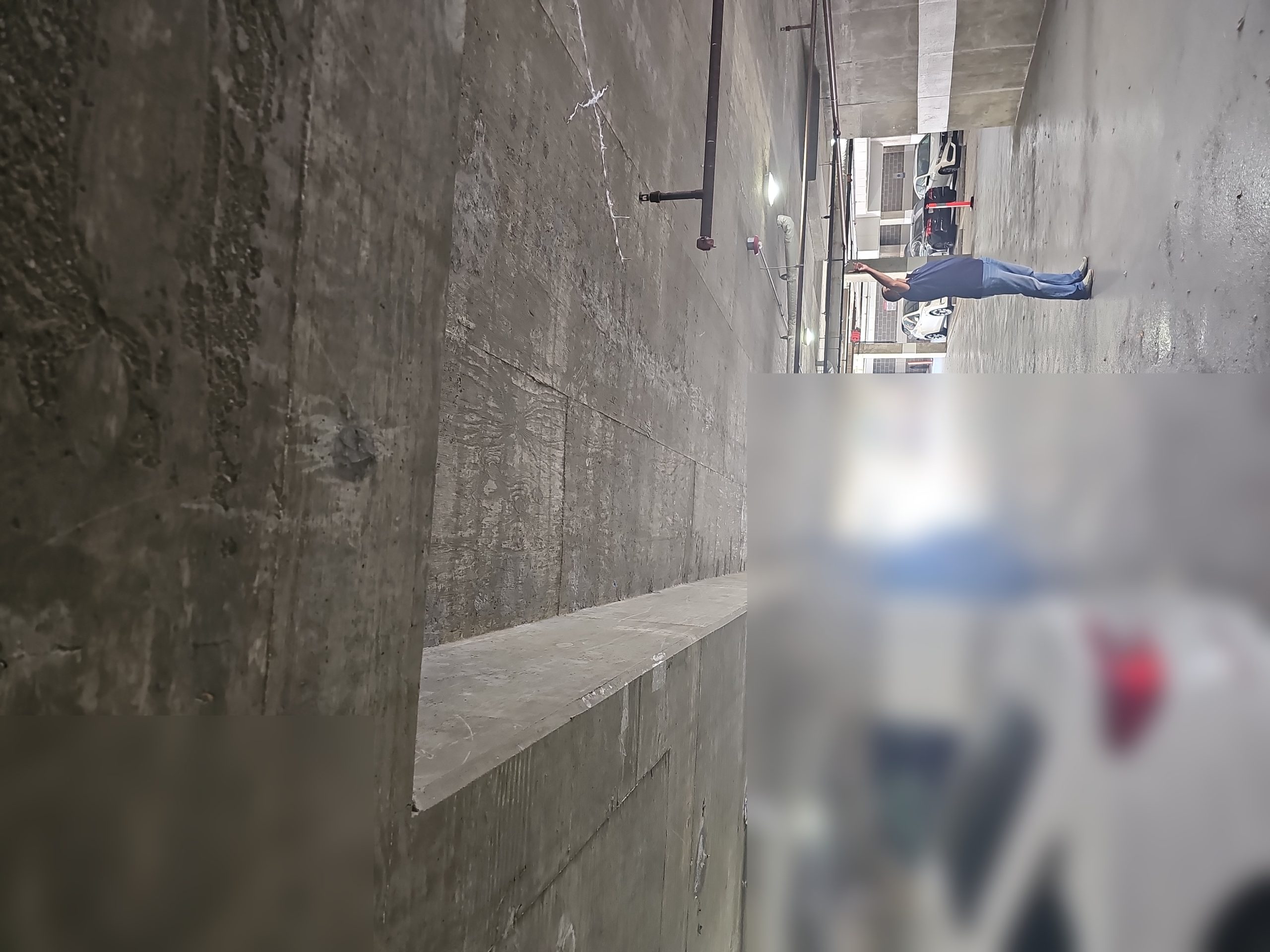
Why Stairwells Are High Risk
Stairwells share several characteristics that make them worth securing:
They are not under constant observation. Unlike lobbies and elevators, stairwells are used intermittently and rarely monitored in real time. An incident in a stairwell can go undetected for longer than one in a more active space.
They provide vertical access without visibility. Someone moving between floors in an elevator passes through a controlled chokepoint that is usually monitored. Someone moving through a stairwell does not.
They often connect to the parking garage at the lowest level. In a building with controlled garage access, the stairwell door at garage level is frequently the weakest link. An open stairwell door from the garage effectively bypasses the garage access control.
And they often provide access to mechanical rooms, roof hatches, and service areas that building management would prefer to keep restricted.
What Controlled Stairwell Access Looks Like
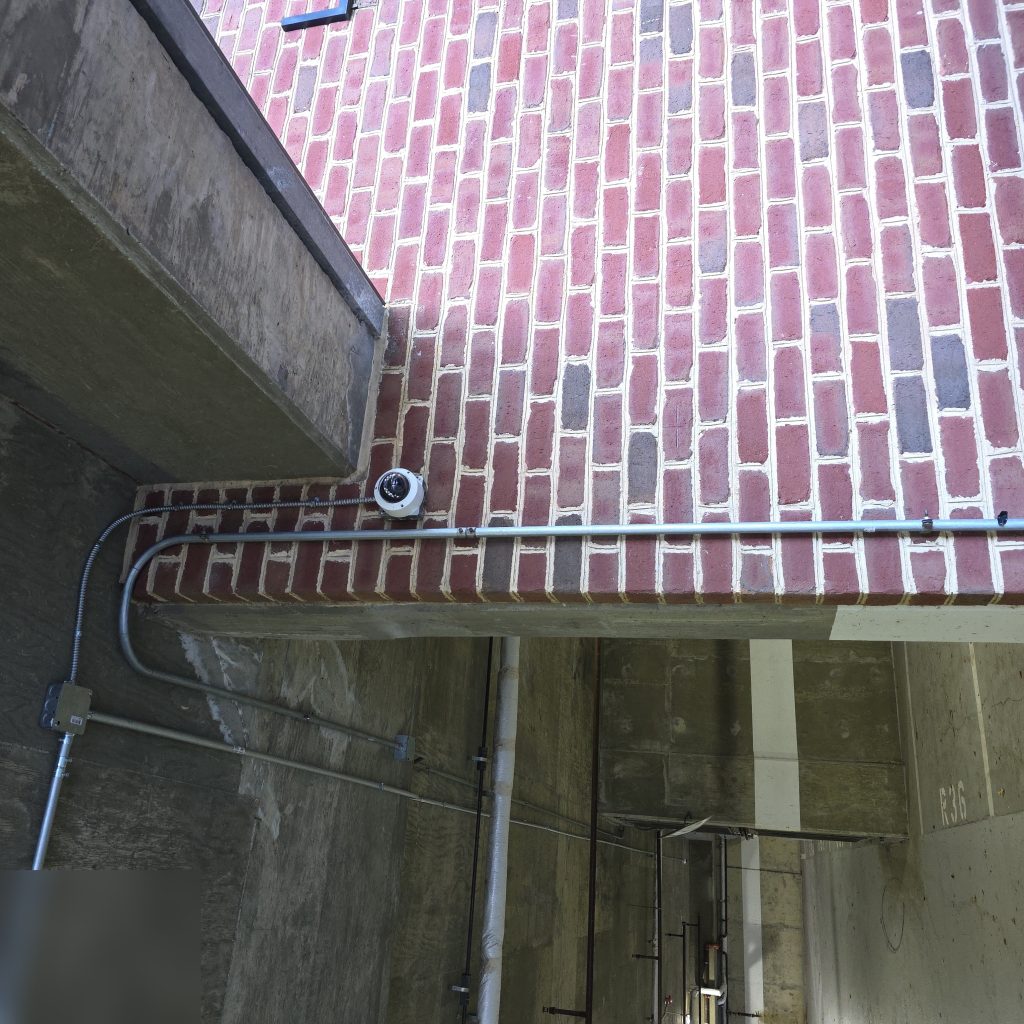
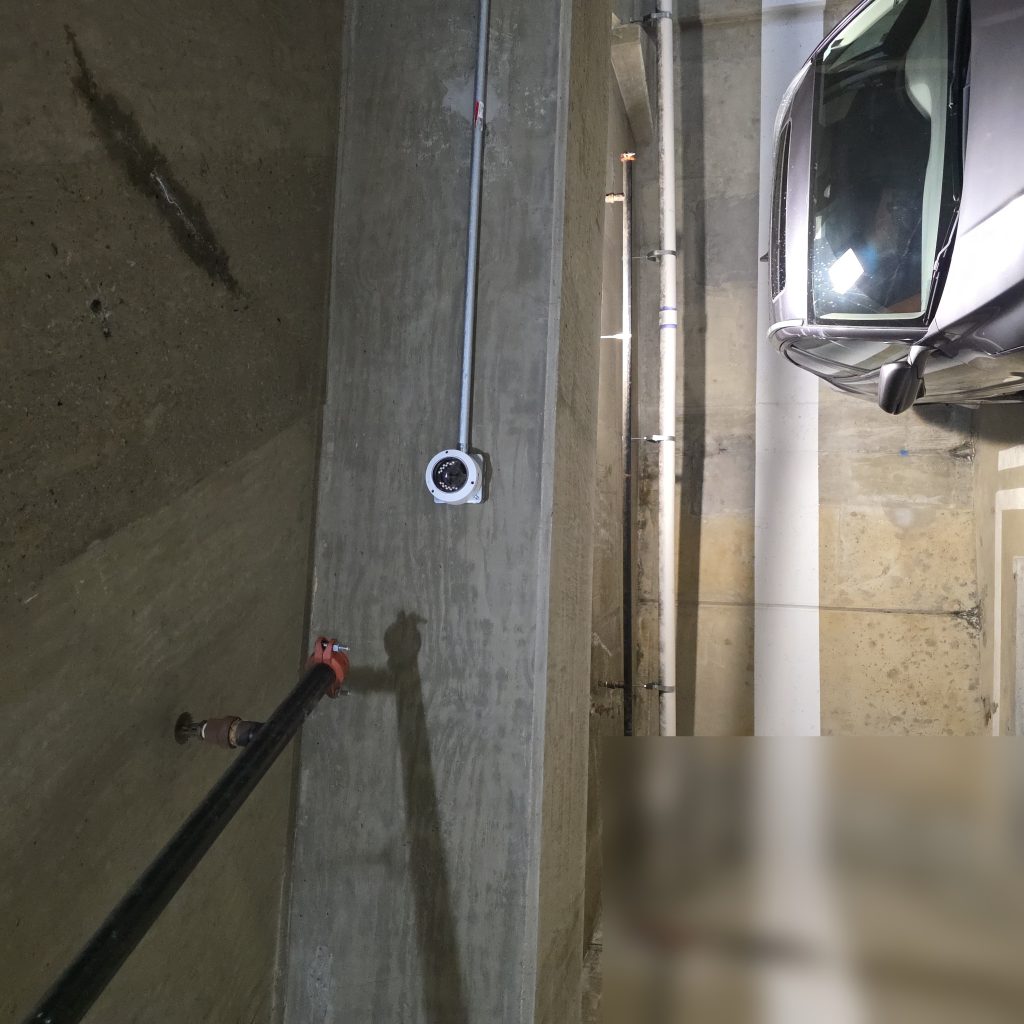
At a 200-unit condominium in Arlington, Virginia, we installed card readers at stairwell entries on multiple floors, with cameras positioned to cover the door and the landing. The combination of access control and camera coverage at each point closes the gap in a way that either one alone cannot.
The card reader creates an access log. Management can see exactly who opened the stairwell door, when, and from which floor. That log is searchable and time-stamped. If an incident occurs, reviewing the access events in the relevant stairwells narrows down what happened and when.
The camera at the landing captures footage of whoever approaches the door, whether or not they have credentials. If someone tailgates through a stairwell door behind an authorized resident, the camera records it even though the access log shows only one credential scan.
Together, the reader and camera at each stairwell entry create a record that is useful both operationally and for incident response.
Multi-Floor Coverage at the Arlington Property
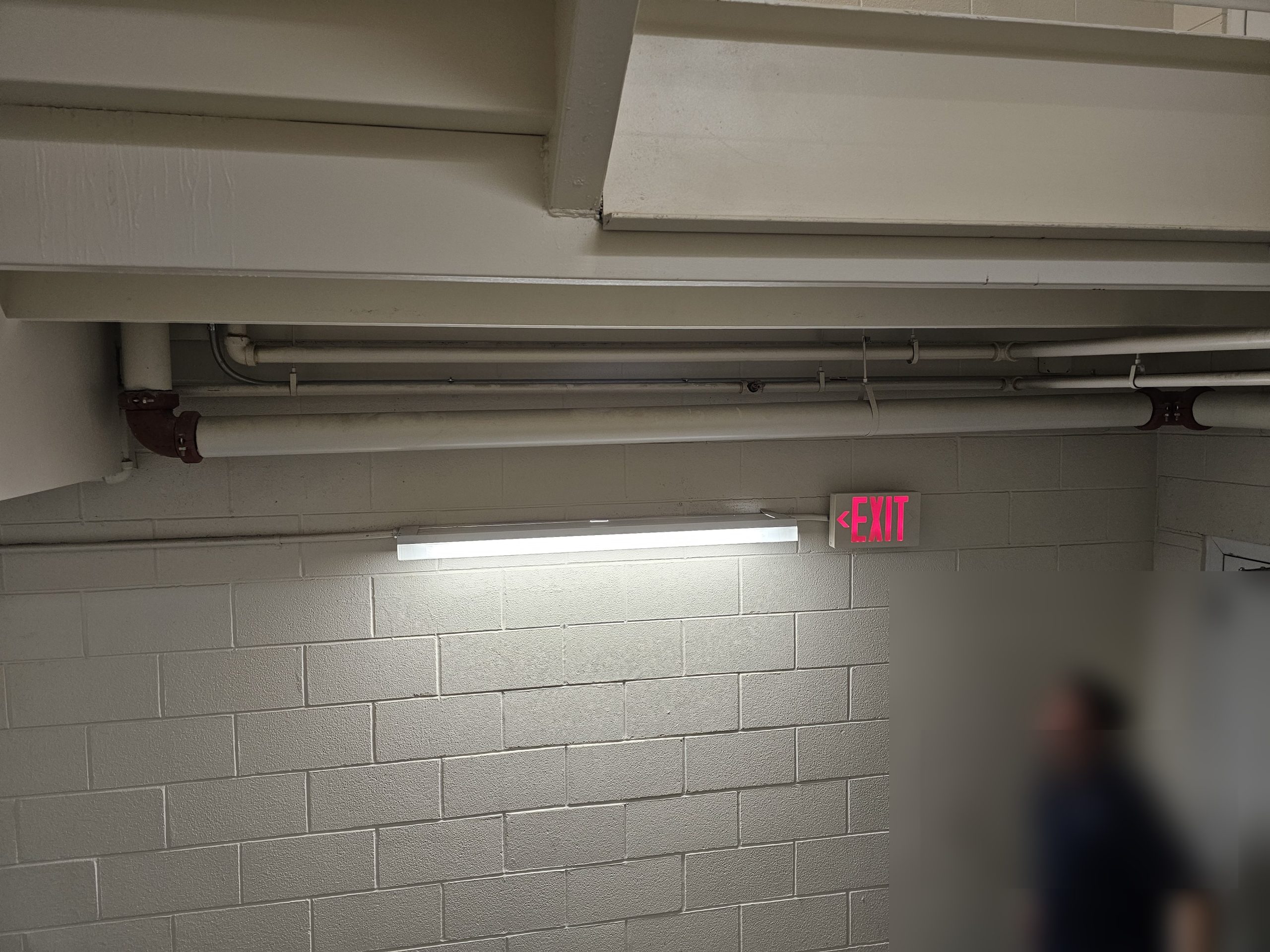
The Arlington project used 25 door readers total across the building, distributed across main entries, parking garage access points, stairwells, common area entries, and mechanical rooms. The stairwell readers were part of the same access control system as the rest of the building, running on the same platform, with credentials managed from the same dashboard.
That integration matters for management. Adding or revoking a resident’s credentials applies across every door in the system at once. There is no separate stairwell system to update separately.
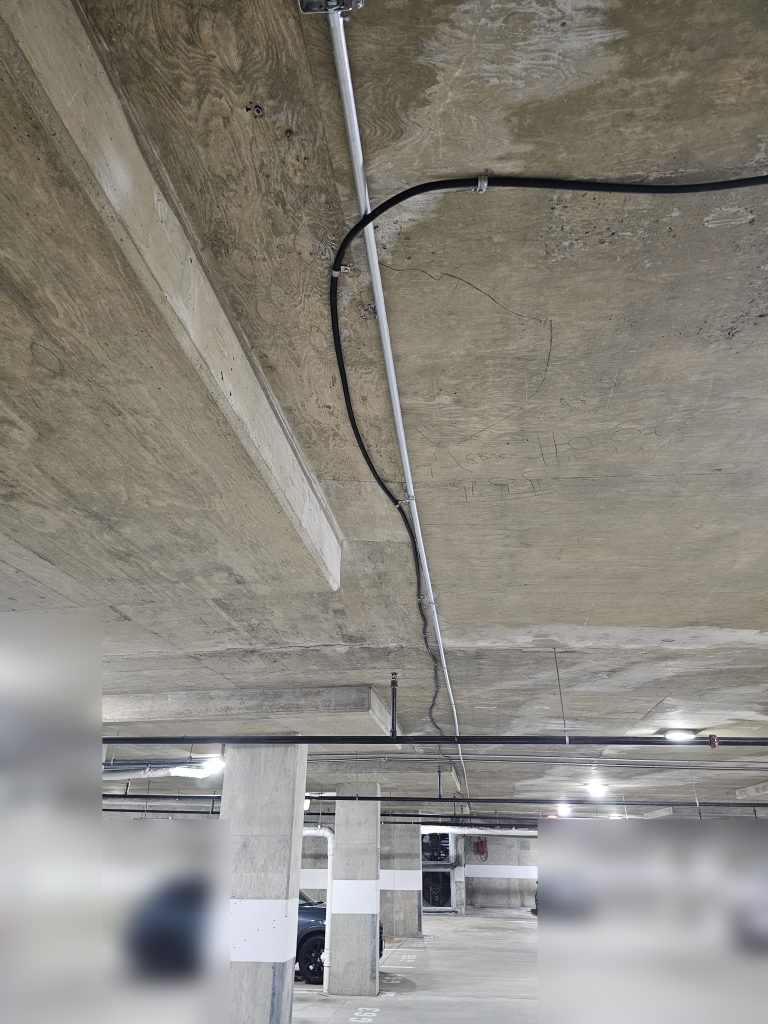
Cabling for all readers runs in EMT conduit. In a stairwell environment, where the conduit is visible and potentially subject to physical contact, EMT provides the mechanical protection that flex conduit does not.
The 12 two-door controllers that power the access control system were placed in protected locations throughout the building, each serving the readers in its immediate area. That distributed approach keeps cable runs short and the system resilient.
The Planning Requirement
Stairwell access control requires more planning than perimeter access control because the number of locations is higher and the integration requirements are more complex. Each stairwell typically has doors at multiple floors, and the plan needs to account for egress requirements: readers on the secure side should never impede emergency exit.
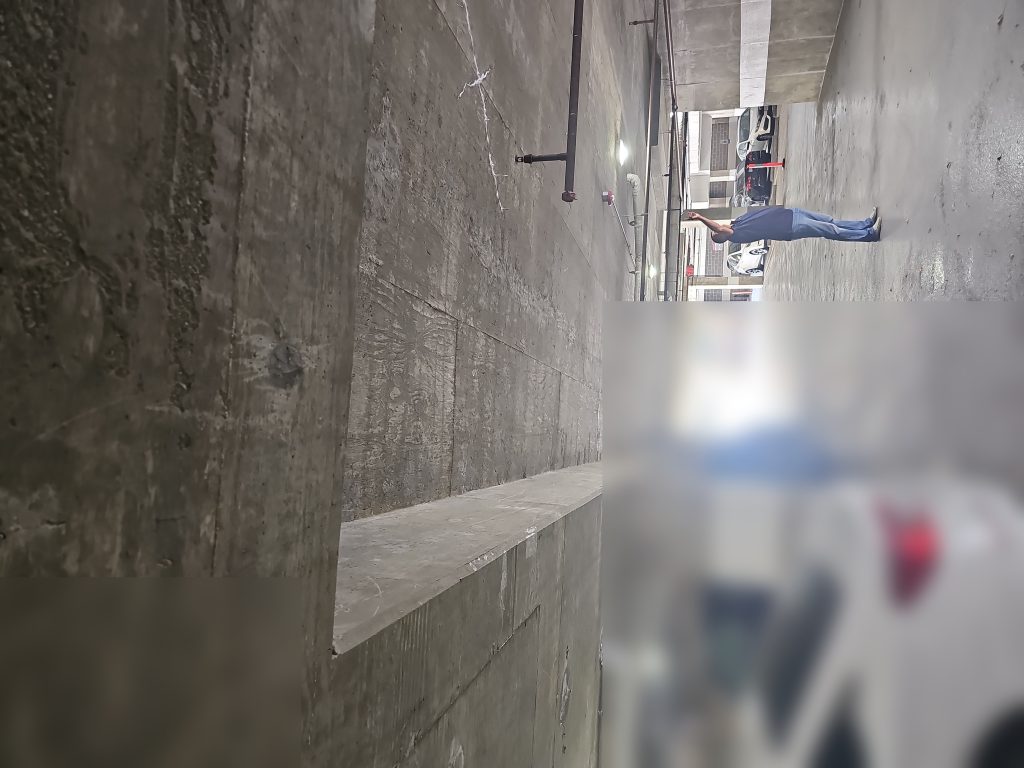
Before we start any project, we walk the building and map every access point. For stairwells, that means documenting each floor, each door, each egress direction, and the existing conduit infrastructure in each shaft. That site walk is the foundation of a plan that works when it is installed.
If your building has uncontrolled stairwells and you want to understand what it would take to close that gap, we offer free site walks with no obligation. We will document the current state and give you a clear picture of scope and cost.
For properties in the Arlington area, see our Arlington, VA access control page. We also work throughout Northern Virginia including Alexandria, VA and Maryland including Rockville, MD and Gaithersburg, MD.
Request a free site walk or call 301-363-7347. Innovative Developments LLC is licensed in Maryland, Virginia, DC, Delaware, and Pennsylvania.