
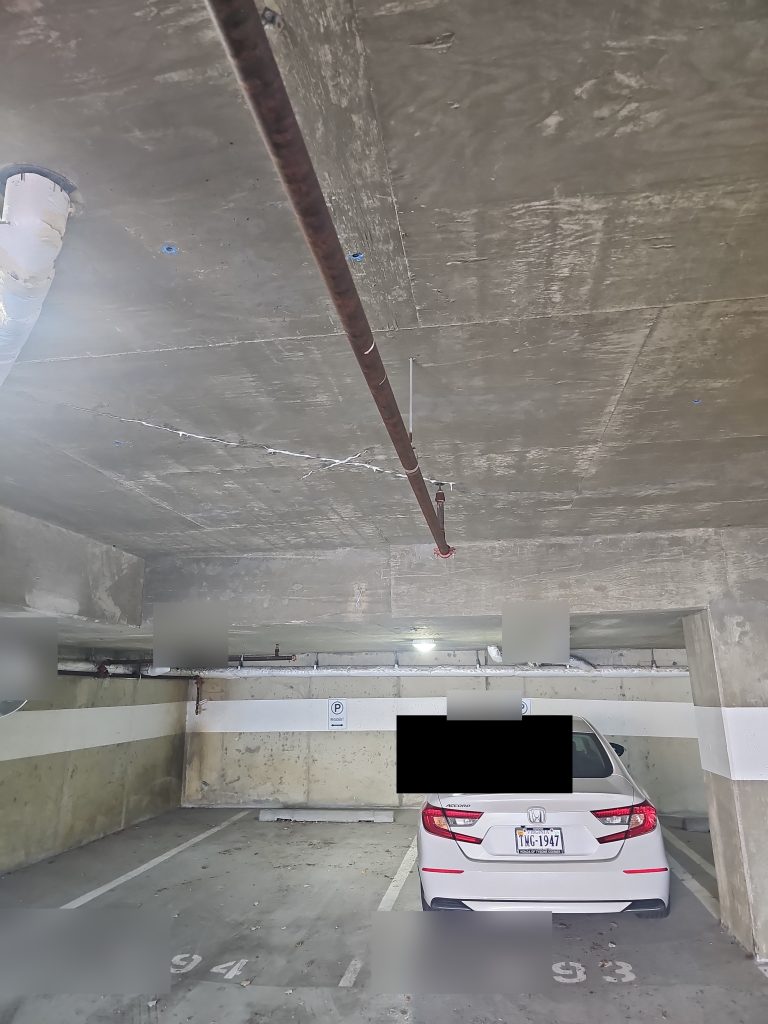
Security upgrades at occupied multifamily buildings present a specific challenge: the work has to happen while residents are living there, using every door, stairwell, and elevator in the building every day. A project that locks residents out of their garage or their floor for hours is not acceptable, regardless of the end result.
Doing this kind of work without disrupting tenants is not an accident. It requires planning before the first tool comes out, and it requires discipline throughout execution to stick to that plan.
The Core Constraint: Always Maintain Access
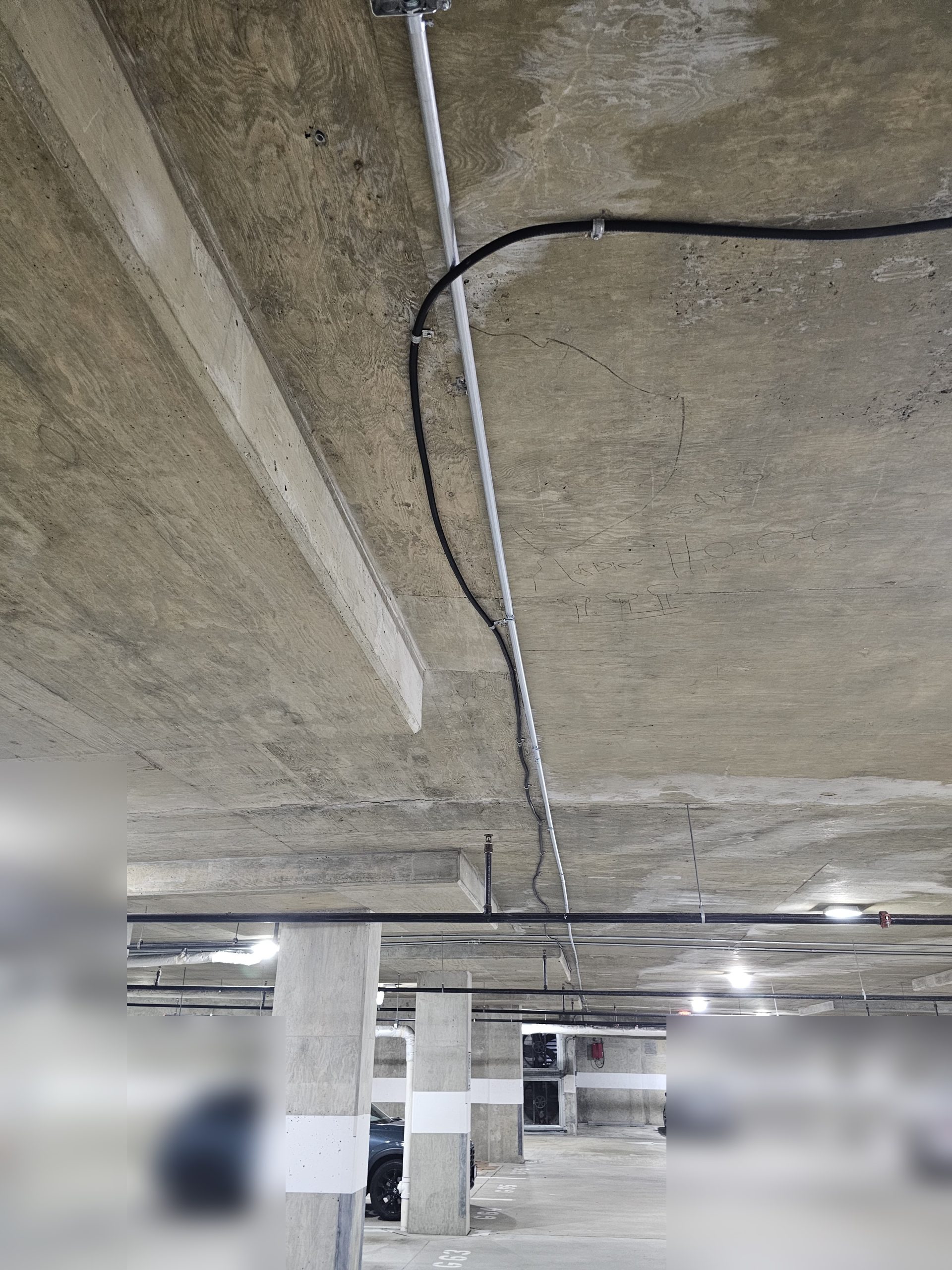
The non-negotiable rule for any occupied building project is that every required access point stays functional throughout the installation. Before any reader or controller comes offline, the replacement hardware is staged and ready to go in. Before any conduit run disconnects a working system, the new cable run is complete.
That constraint shapes the entire installation sequence. You cannot simply pull out old hardware and install new hardware in its place, one door at a time, in whatever order is convenient. You have to map the dependencies first: which doors feed from which controllers, which controllers connect to which panels, and what each resident needs to access at each time of day.
At a 200-unit condominium in Arlington, Virginia, this planning covered 25 door readers, 12 two-door controllers, 7 strike locks, and 7 lock boxes across every controlled entry in the building. Each element of the old system had to come out without ever leaving residents without a working entry point.
Phased Installation Sequence
A phased approach means breaking the work into segments that can each be completed without affecting the rest of the system. In practice, this looks like:
Pre-staging: Before any installation day, conduit runs are completed and hardware is mounted where it will not interfere with the existing system. Cable is pulled and terminated but not yet connected to live equipment. The new controllers are bench-tested before they go into the building.
Cutover windows: The actual switch from old hardware to new happens in a short window, usually during low-traffic hours when foot traffic is minimal. The goal is to have the new system active before residents are moving through the building in volume.
Parallel verification: After each segment goes live, the new readers and controllers are verified before work moves to the next segment. If a door is not operating correctly, it gets resolved before the crew moves on.
This approach requires more planning than a straight replacement, and it takes longer because the work is sequenced rather than overlapping. But it is the only approach that works in an occupied building.
Pre-Staging Hardware
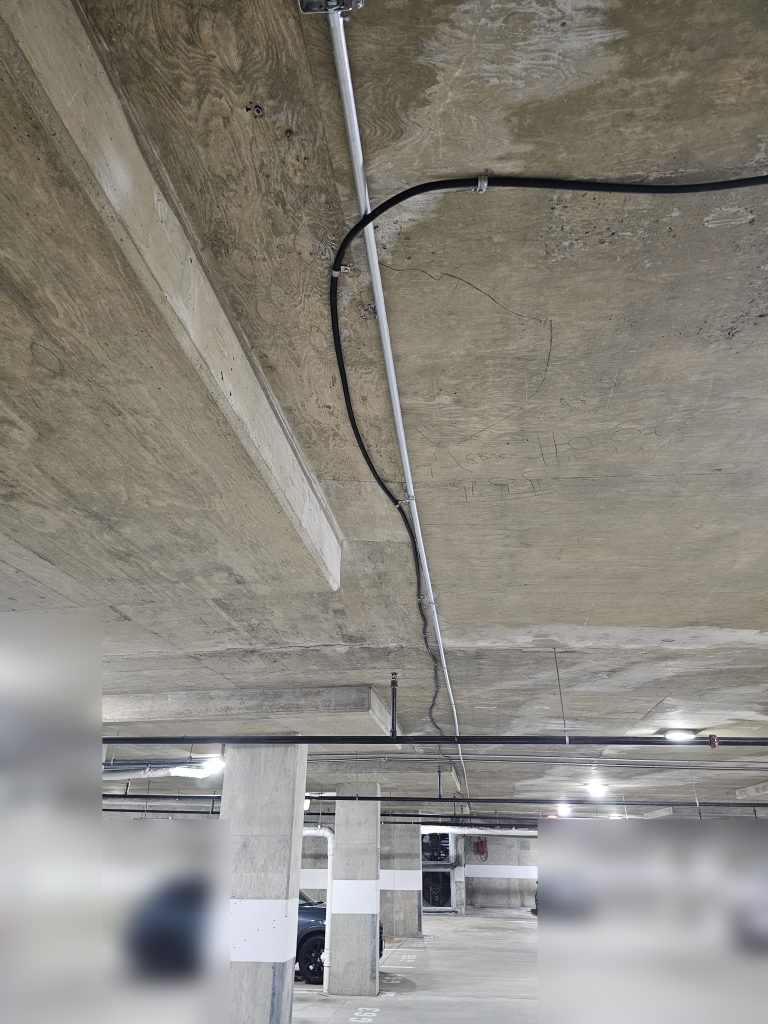
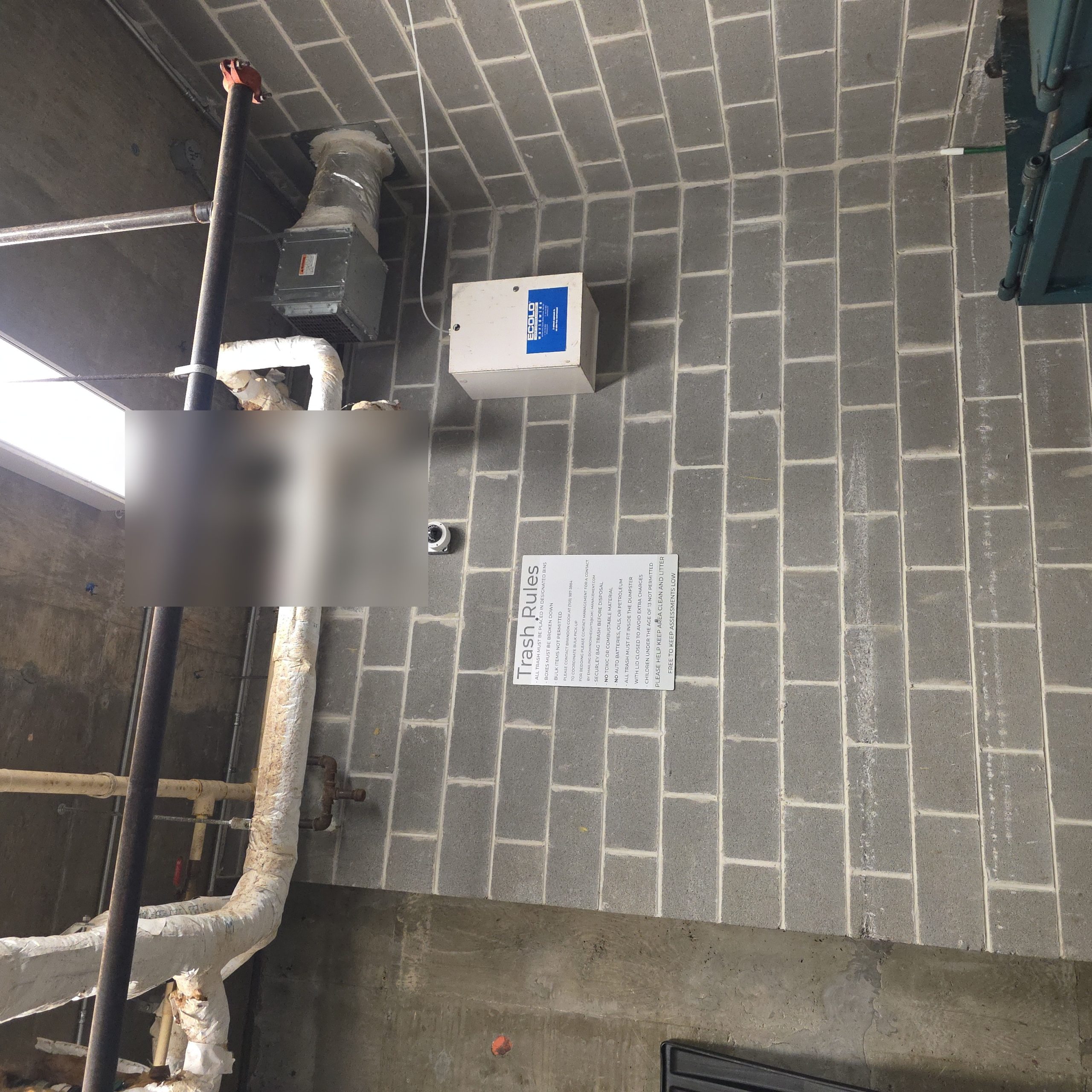
Pre-staging is the piece that most property managers do not see, but it is what makes zero disruption possible. Before any live work begins on a segment, all of the hardware for that segment is already in the building: controllers are mounted, conduit is run, cable is pulled. The installation team is not figuring out the route on the day of the cutover.
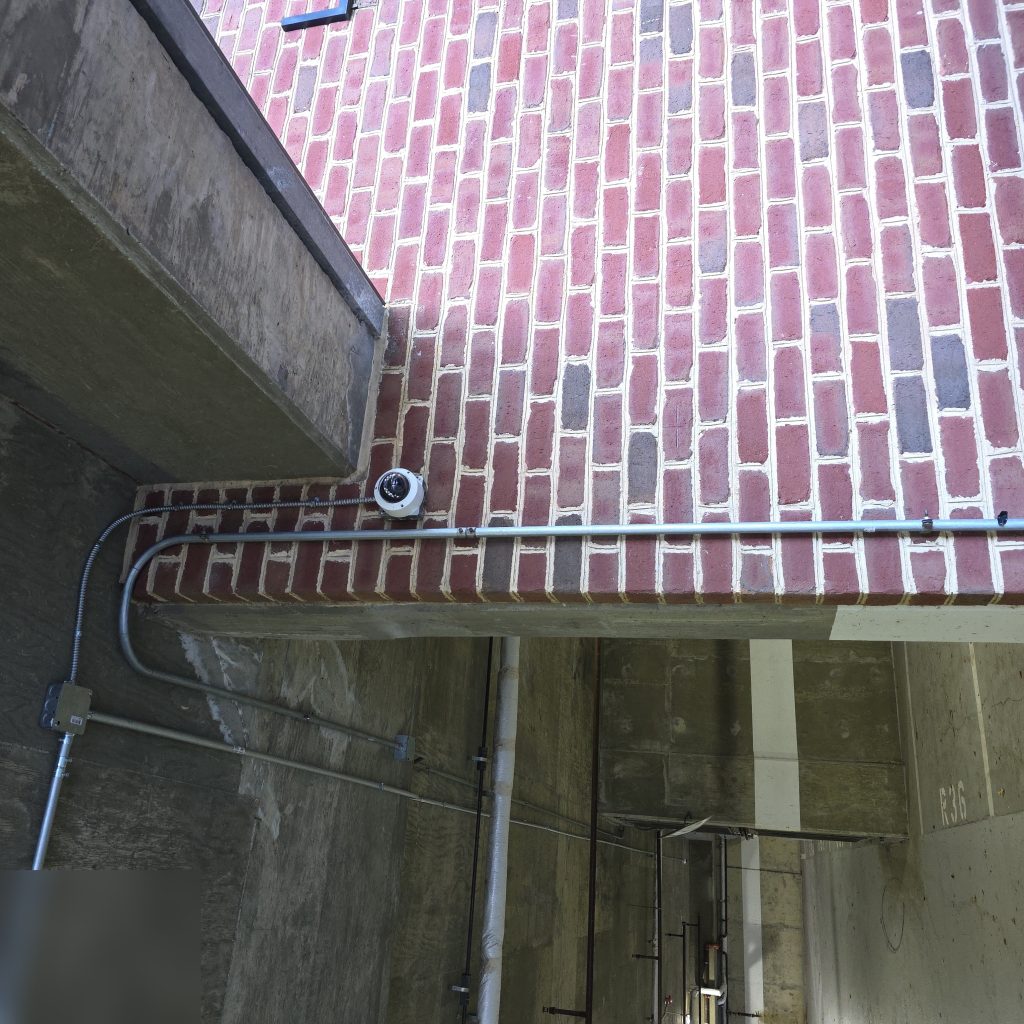
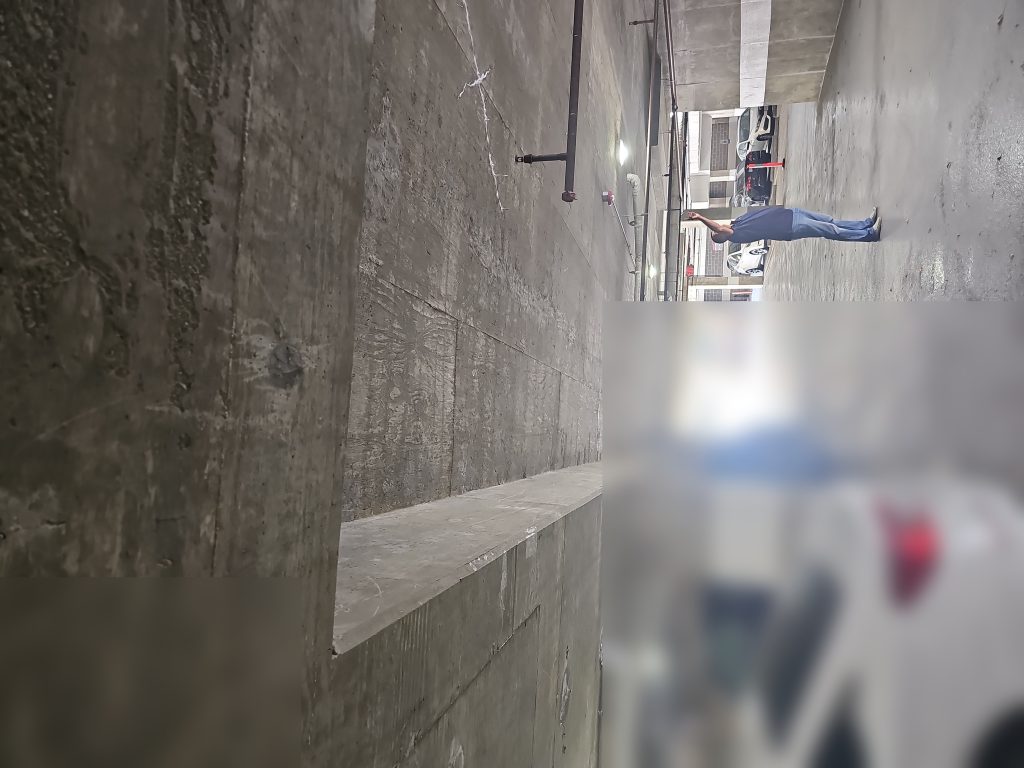
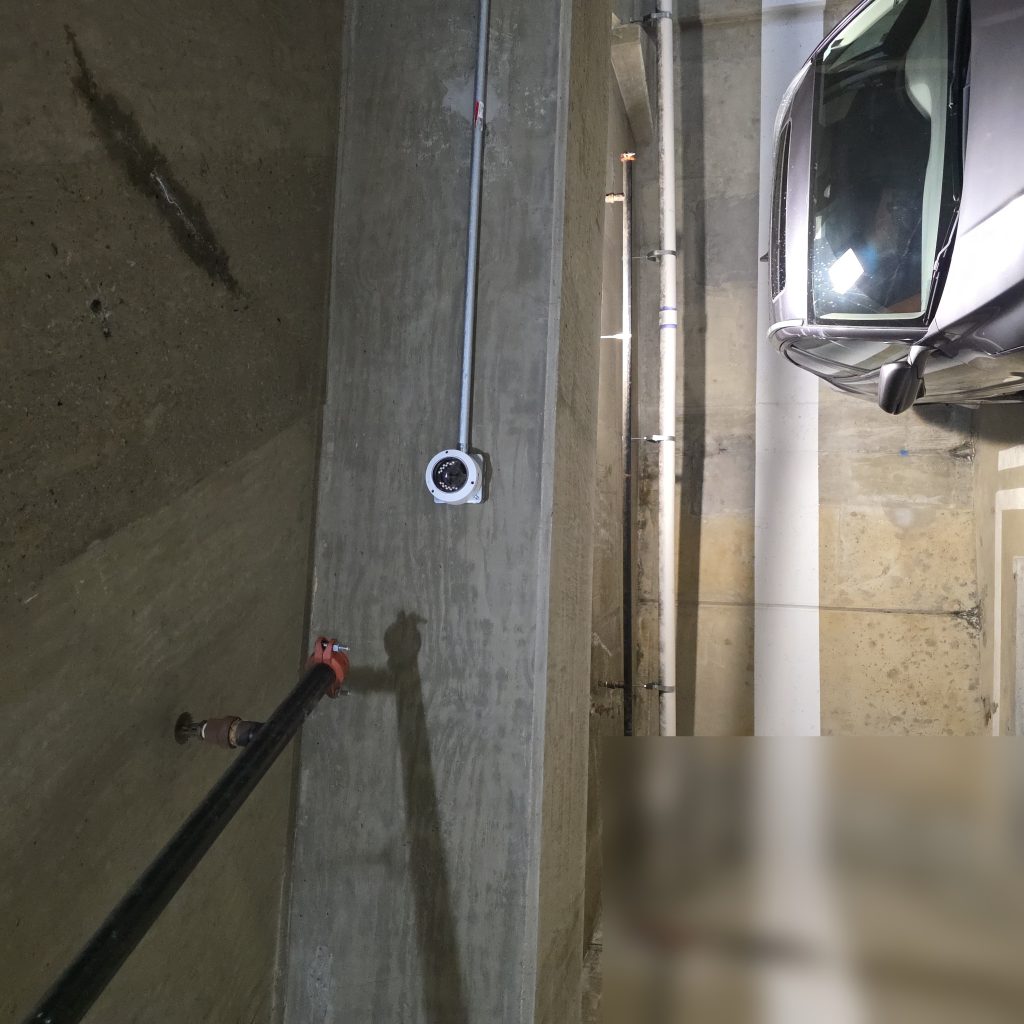
For the Arlington project, this meant running EMT conduit throughout the building ahead of the live installation work. All conduit and cable was in place before any old reader came out. When cutover day came, the crew was connecting and testing, not still installing infrastructure.
Pre-staging also eliminates surprises. If the conduit run hits an obstacle, or a back box location needs to be adjusted, those problems get discovered and solved during the pre-stage phase, not during the cutover window when a working door is offline.
Communication with Residents
Even with good planning and execution, residents need to know that work is happening. A notice posted 48 hours before a cutover window tells residents that a specific entry point will be unavailable briefly and when it will be restored. That notice is more reassuring than a surprise.
We coordinate the notification schedule with property management and keep it specific: which door, which hours, what to expect. Vague notices create more anxiety than specific ones.
The Result
At the Arlington property, the full installation covered a ButterflyMX video intercom, 25 door readers, 12 two-door controllers, 39 cameras, 4 camera gateways, 2 Ubiquiti 48-port PoE switches, and all EMT conduit throughout the building. The project completed on schedule with zero tenant disruption. Residents moved through the building normally throughout the installation.
If you are considering a security upgrade at an occupied property, the planning conversation should happen before you have selected hardware. We offer free site walks to walk through what a project would involve at your building.
See our Arlington, VA page and our Washington, DC page for more on our work in the region. We also serve Maryland markets including Bethesda and Silver Spring.
Request a free site walk or call 301-363-7347. Innovative Developments LLC is licensed in Maryland, Virginia, DC, Delaware, and Pennsylvania.