
Most contractors close out a project when the punch list is signed. The installation is complete, the system is running, and the relationship ends. For a building that just invested in a significant low-voltage infrastructure upgrade, that is the wrong outcome.
A security system is not a one-time transaction. The hardware will need firmware updates. Configuration will change as residents turn over and management needs evolve. If something goes wrong, the response time and quality of that response depends heavily on whether the person coming back knows the building.
Familiarity With the Building
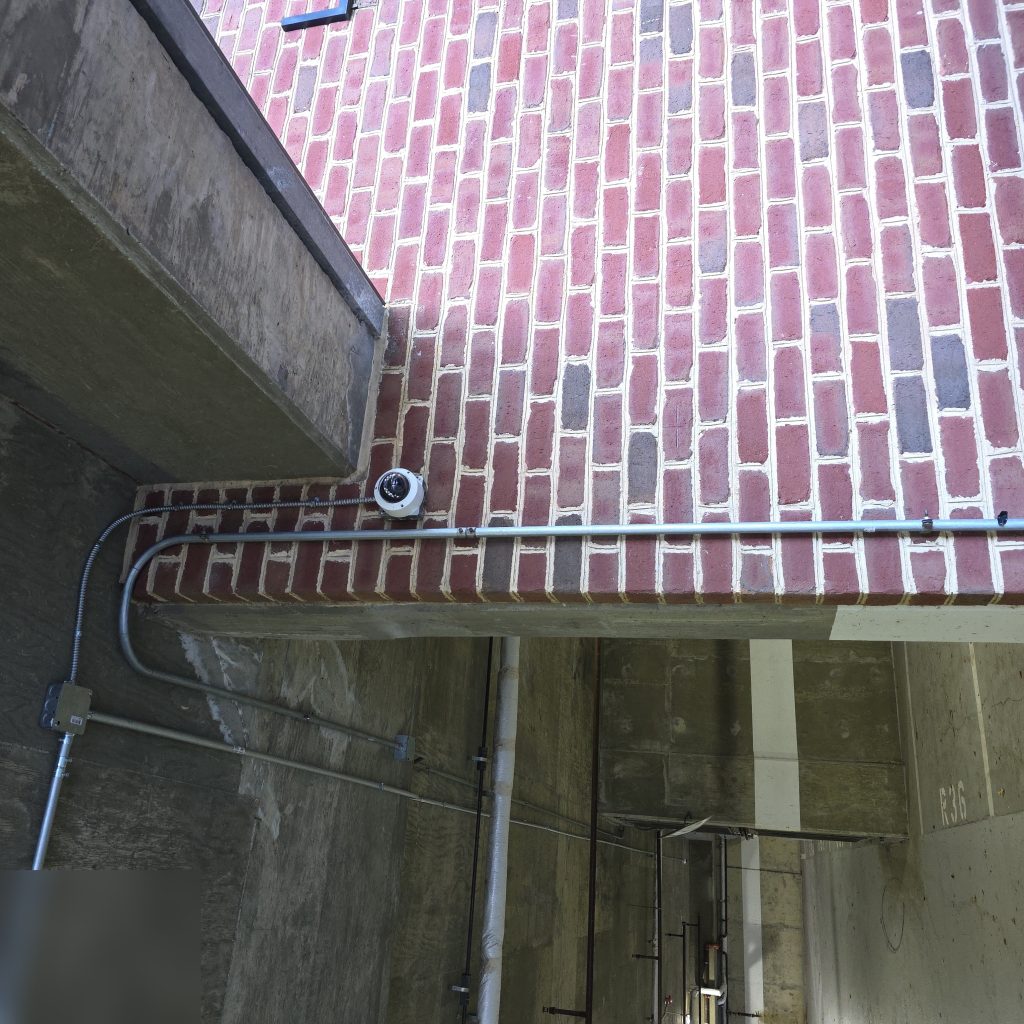
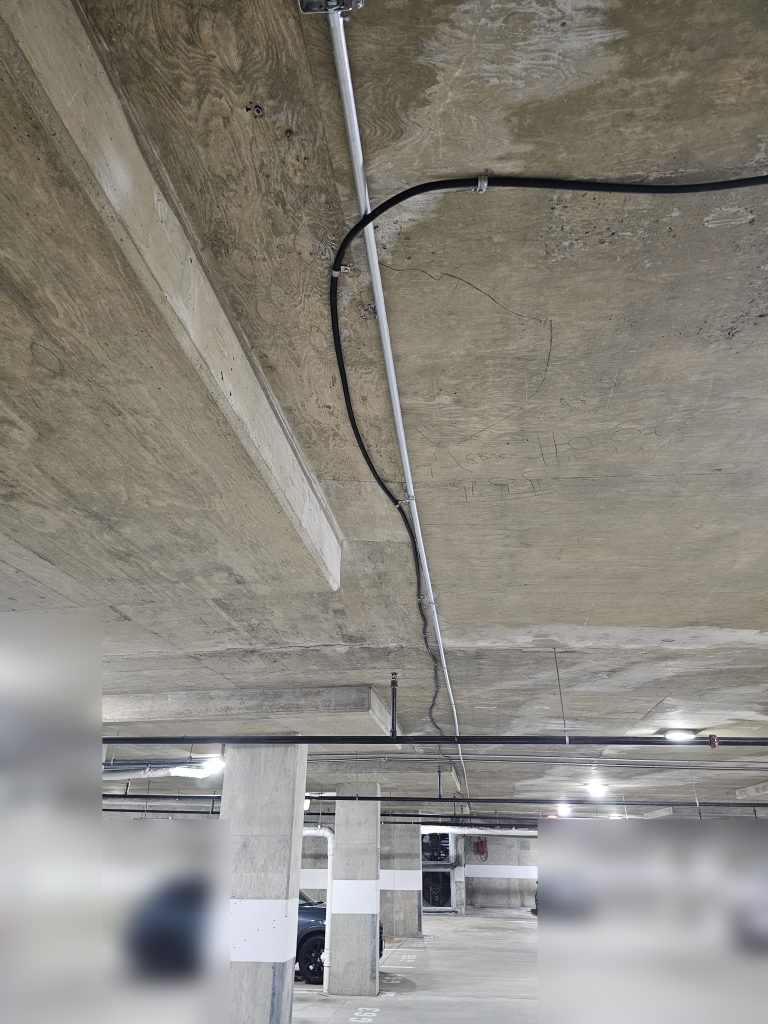
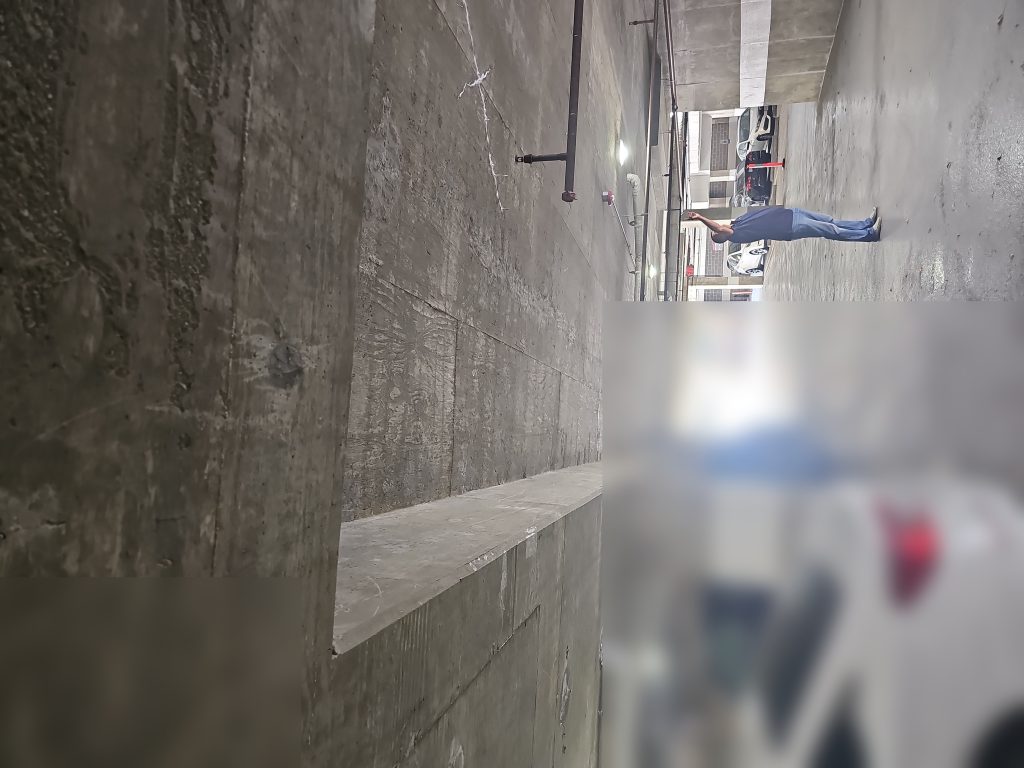
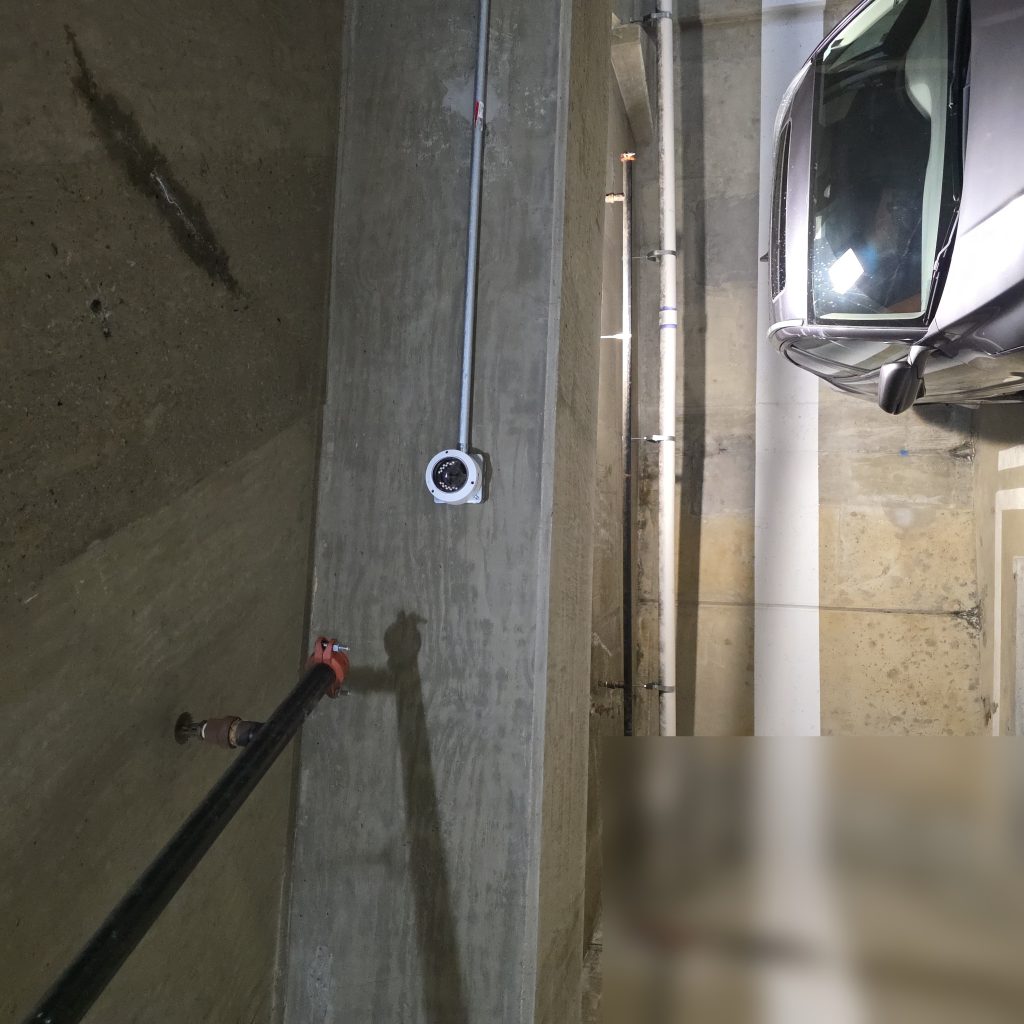
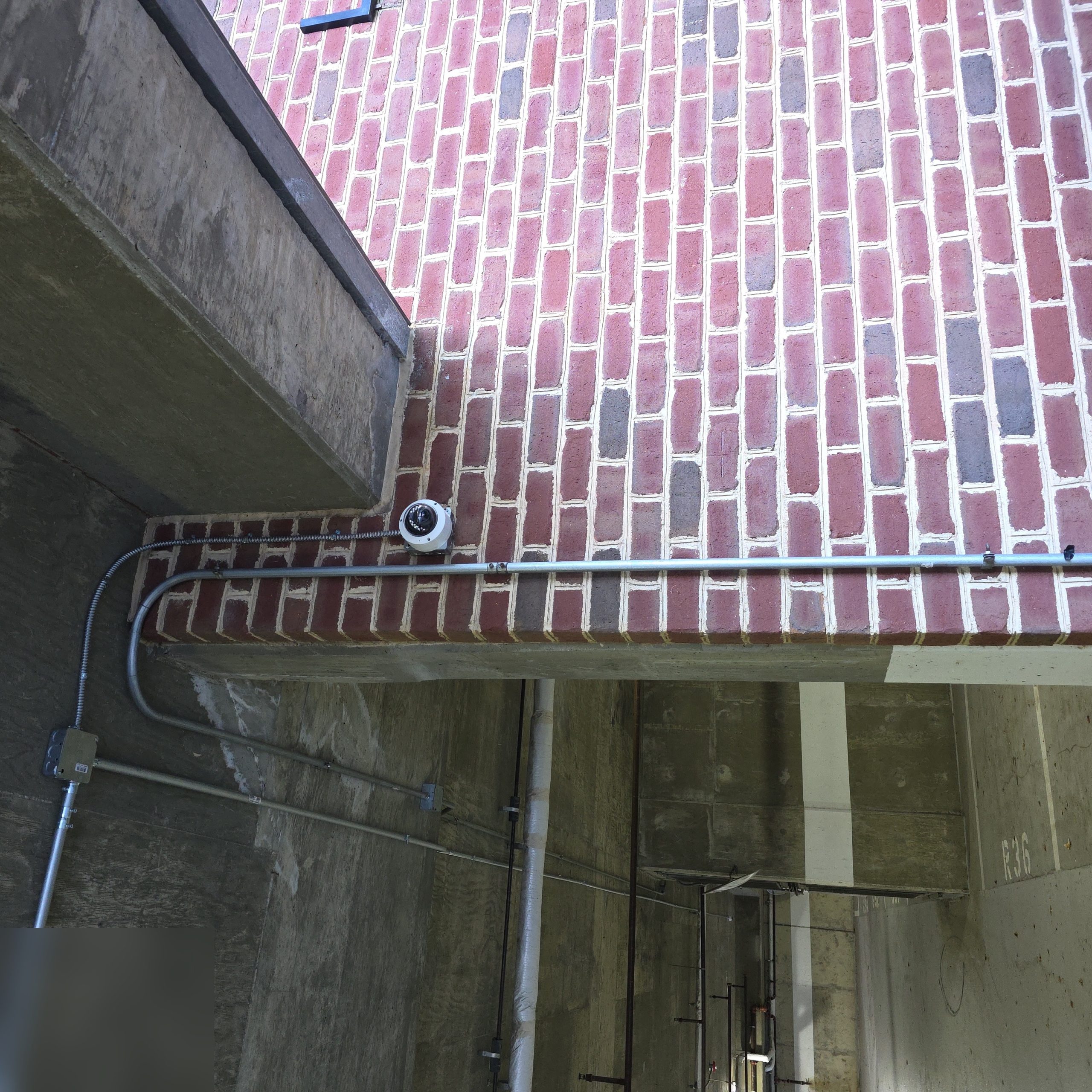
When we complete a project, we know that building. We know where every controller is mounted, where every conduit run goes, which switch port connects to which camera gateway, and how the access control system is configured. That knowledge took hours to develop during the installation. It does not expire when the project closes.
When a question comes up six months later, whether it is a resident who cannot get their credential updated, a camera that is showing an offline status, or a change in access levels for a common area, the response starts from a position of complete familiarity. There is no discovery phase. We are not trying to reverse-engineer what a previous contractor did.
At a 200-unit condominium in Arlington, Virginia, that familiarity covers a system with a ButterflyMX video intercom, 25 door readers, 12 two-door controllers, 39 cameras, 4 camera gateways, and 2 Ubiquiti 48-port PoE switches across the full building. The conduit infrastructure and the network configuration are known quantities.
What Support Actually Includes
Support after a security installation is not a vague promise to be available. It is a set of concrete activities:
Credential management as residents turn over. In a 200-unit building, turnover is constant. New residents need credentials added. Departing residents need credentials removed. Management needs a responsive point of contact for those changes, not a help desk ticket queue.
Configuration changes as the building’s needs evolve. Common area access levels, visitor management settings, camera recording schedules: these things change over time. Having the installer available to make those changes means management does not have to learn the system from scratch or pay for a new contractor to figure out what the previous one built.
Firmware and software updates for the ButterflyMX platform and the access control system. Updates sometimes change interface behavior or require configuration adjustments. Having someone who knows the system manage those updates prevents them from disrupting operations.
Responsive troubleshooting when something is not working as expected. In a large system, occasional issues are inevitable. A camera shows an unexpected status, a reader does not respond, a ButterflyMX unit needs to be re-provisioned. Fast response matters because residents and management notice when security infrastructure is not working.
The Difference Between Transactional and a Relationship
A transactional contractor delivers the installation and moves on. If a question comes up later, the property manager calls the office, gets routed to a technician who has never seen the building, and waits while they try to understand what they are looking at.
A support relationship means the property manager has a direct contact who already knows the building and can respond quickly. That is a different experience.
For property management companies that handle multiple buildings, this distinction compounds. Every building where the installer knows the system is a building where support calls get resolved faster and with less friction. Every building where the installer has moved on is a building where management is starting over with each new issue.
What to Look for When Selecting a Contractor
If you are evaluating contractors for a security installation, ask specifically about post-install support. What does it include? Who is the point of contact? What is the expected response time? How do credential changes get handled?
The answers will tell you a lot about how the contractor thinks about the relationship. A contractor who has thought through post-install support will have specific answers. One who has not will give you generalities.
We are a licensed low-voltage contractor serving the DC metro area with installations in Maryland, Virginia, DC, Delaware, and Pennsylvania. We offer free site walks to walk through what a project would involve at your building, including what ongoing support would look like.
For more on our work in the region, see our pages for Arlington, VA, Annapolis, MD, and Wilmington, DE.
Request a free site walk or call 301-363-7347. Innovative Developments LLC is licensed in Maryland, Virginia, DC, Delaware, and Pennsylvania.