
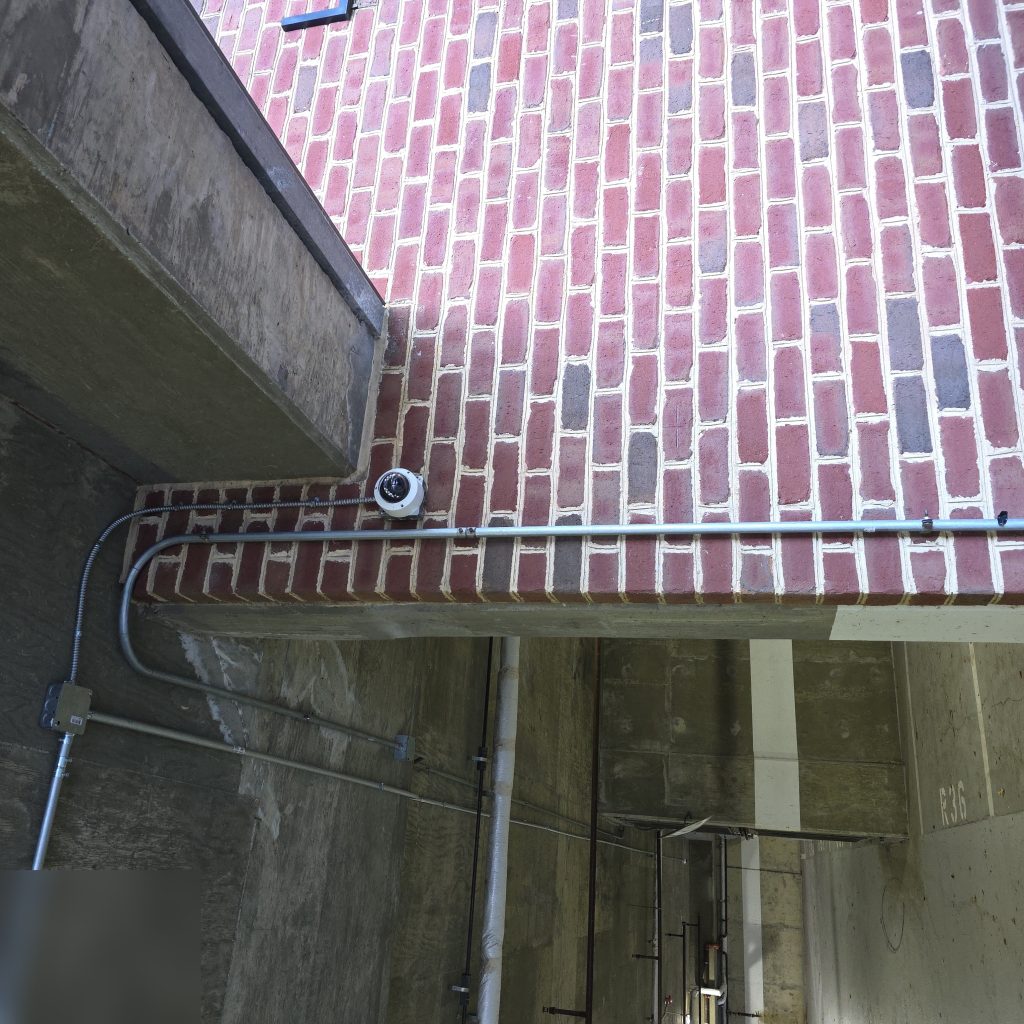
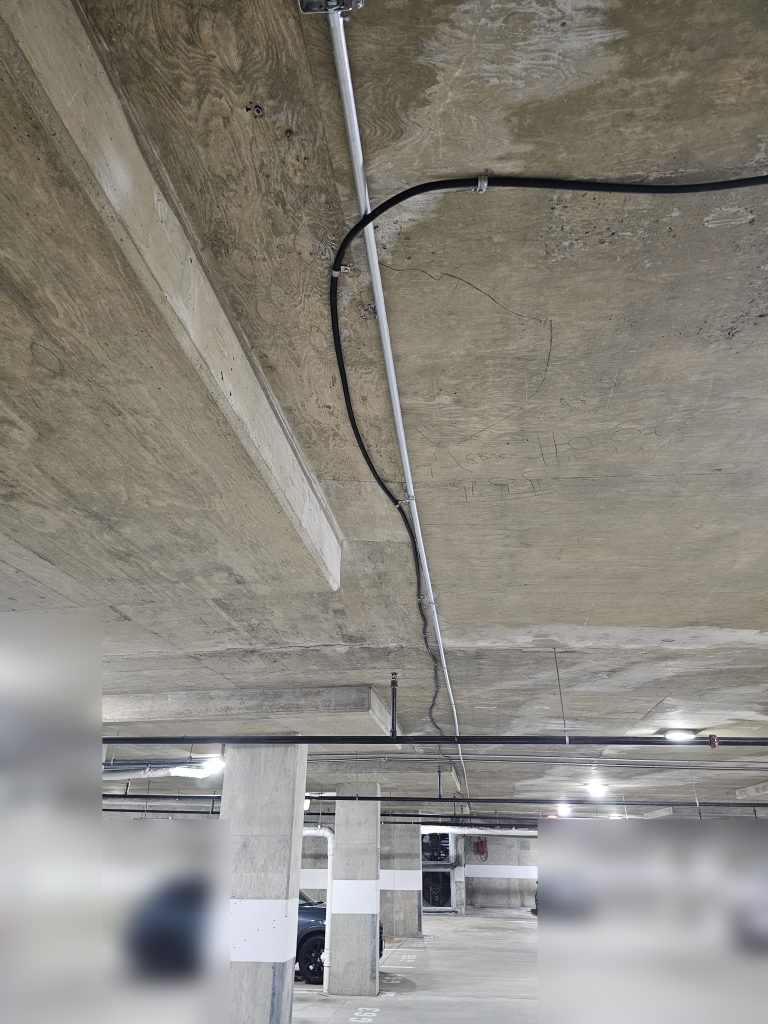
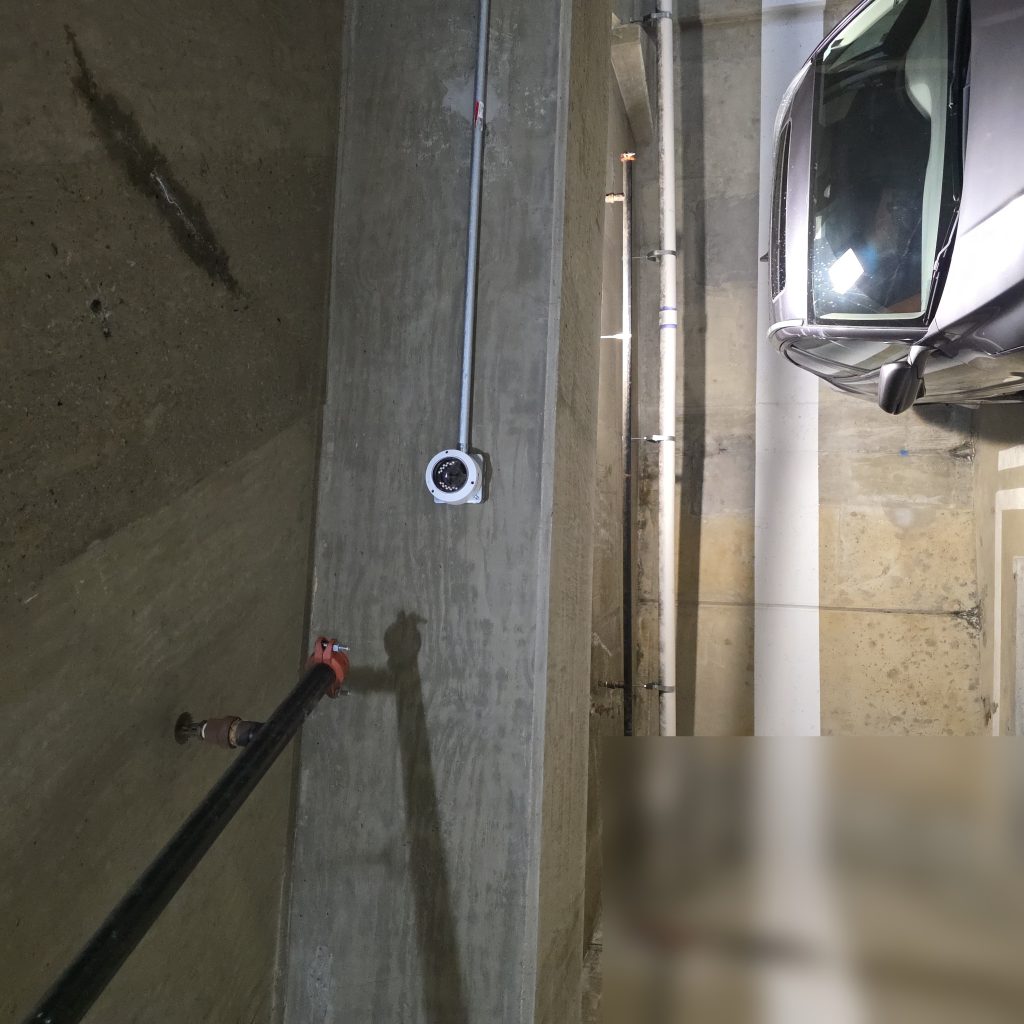
The terms “CCTV” and “IP cameras” are often used interchangeably, but they refer to meaningfully different technologies. Understanding the difference helps property managers make better decisions when evaluating security upgrades.
What Is CCTV?
CCTV (Closed-Circuit Television) is the traditional analog video surveillance model. Cameras transmit a continuous analog signal over coaxial cable to a central Digital Video Recorder (DVR). The footage is stored locally on the DVR’s hard drives.
Analog CCTV has been the standard for building surveillance for decades. It’s reliable, well-understood, and widely deployed. However, its image quality and remote access capabilities are significantly limited compared to modern IP camera systems.
What Are IP Cameras?
IP cameras (Internet Protocol cameras) process video digitally at the camera and transmit the data over a network — either wired Ethernet or Wi-Fi — to a Network Video Recorder (NVR) or cloud storage.
Because the data is digital from the start, IP cameras can deliver much higher resolutions, support remote access natively, and run AI-based analytics directly on the camera hardware.
Key Differences at a Glance
| Feature | Analog CCTV | IP Camera |
|---|---|---|
| Typical resolution | 720p–1080p | 2MP–8MP (4K) |
| Remote viewing | Requires additional setup | Native, any device |
| AI analytics | Not available | Built into most cameras |
| Cabling | Coaxial (RG59/RG6) | Cat5e/Cat6 or existing coax |
| Scalability | Limited by DVR inputs | Highly scalable |
| Upfront cost | Lower | Moderate to higher |
Do I Need to Rewire for IP Cameras?
This is the most common concern when property managers consider upgrading from analog to IP. The answer is usually no.
Several IP camera technologies are designed to run over existing coaxial cable infrastructure:
- HDCVI and HDTVI — deliver HD resolution over existing coax with a compatible DVR/NVR
- IP over Coax adapters — convert standard IP cameras to run over coax where Cat cable isn’t present
In most commercial and multifamily buildings we assess, the existing infrastructure can support a modern IP camera upgrade without significant rewiring. A site assessment determines exactly what’s possible before any equipment is specified.
When Analog CCTV Still Makes Sense
For some applications, analog CCTV remains a practical choice:
- Very small properties with simple, low-traffic monitoring needs
- Temporary installations where cost is the primary factor
- Situations where existing DVR hardware is newer and in good condition
For most professionally managed multifamily and commercial properties, however, the resolution, remote access, and analytics capabilities of IP cameras represent a meaningful operational improvement.
Making the Right Choice for Your Property
The right choice depends on your property’s current infrastructure, your coverage goals, your budget, and how you expect to use the footage operationally.
The best way to get clarity is a free site assessment. We evaluate your existing system and infrastructure, identify what’s achievable within your constraints, and provide a written recommendation — at no cost and with no obligation.