
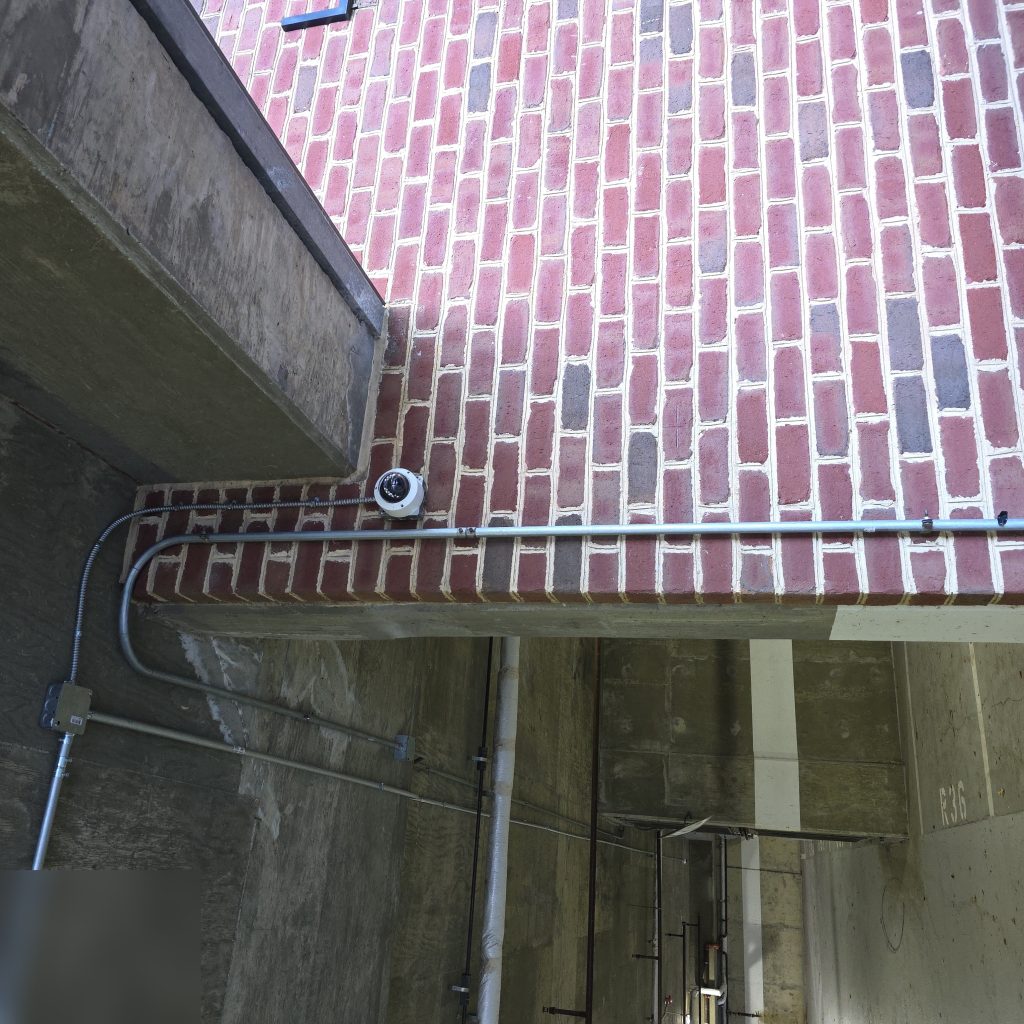
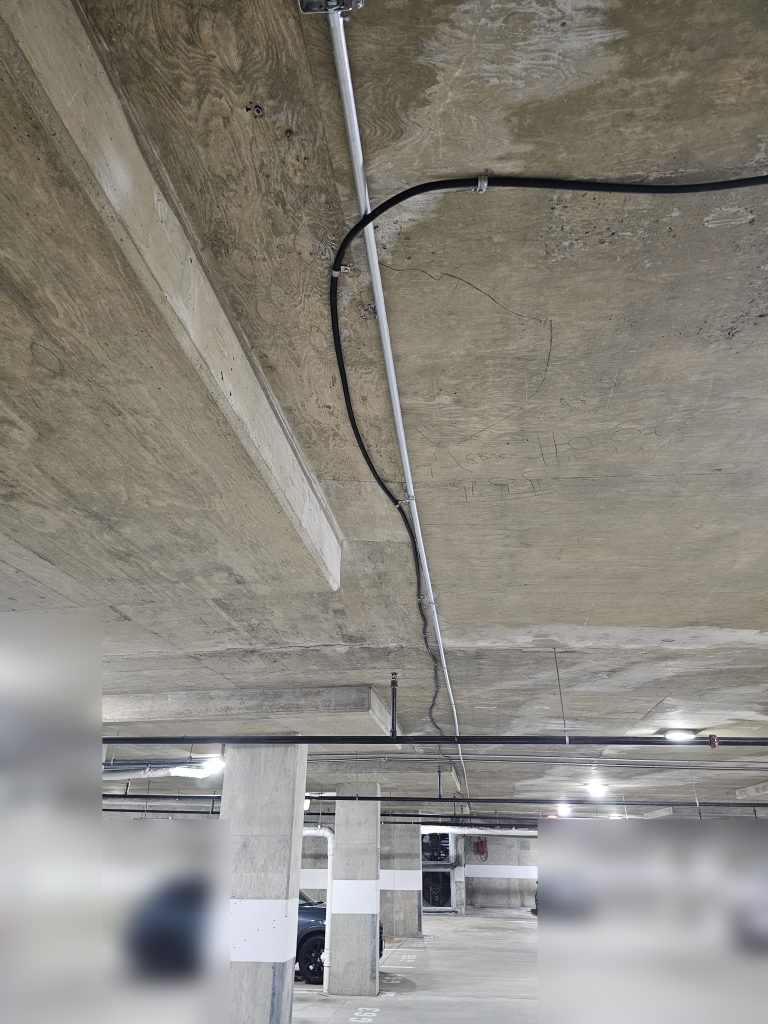
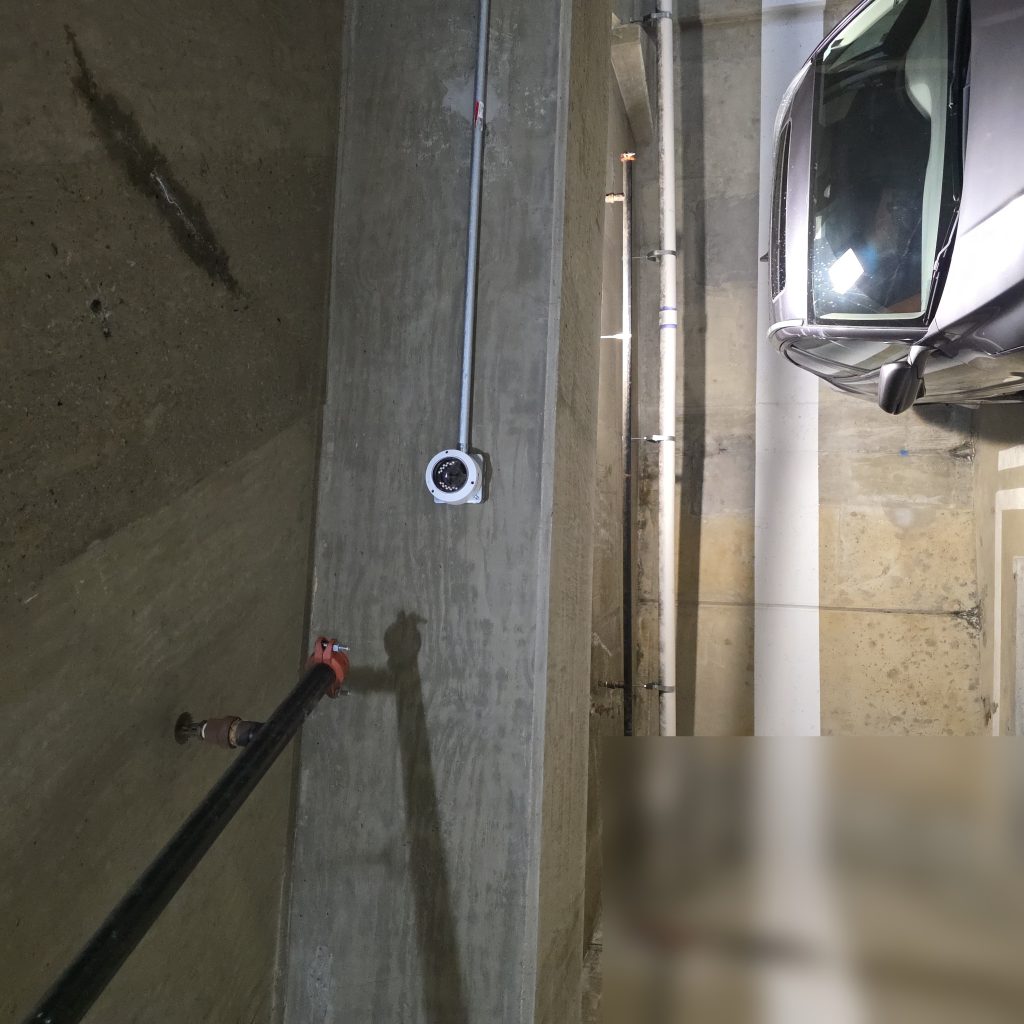

Hiring a low voltage contractor for CCTV, intercom, or access control work is a decision with long-term consequences. The systems installed stay in your building for years. Getting it wrong — choosing an underqualified contractor to save money upfront — routinely costs property managers more in the long run.
Here’s a practical framework for evaluating low voltage contractors in Maryland, Virginia, and DC.
Start With Licensing
Low voltage electrical work — which includes security camera installation, intercom systems, and access control — requires specific licensing in Maryland, Virginia, and DC. These licenses are separate from general contractor licenses and require demonstrated competency in low voltage electrical systems.
Maryland: Check contractor licensing through the Maryland Department of Labor.
Virginia: Verify through the Department of Professional and Occupational Regulation (DPOR). Look for Class A or Class B contractor license with appropriate specialty certification.
DC: DC requires a separate electrical contractor license covering low voltage work.
Ask any contractor for their license number and verify it yourself. An unlicensed installation creates liability exposure for the property owner and may not be covered by your insurance.
Insurance: Know the Numbers
Adequate insurance coverage is non-negotiable for commercial low voltage work. At minimum, you want:
- General liability: $1M per occurrence minimum; $5M for commercial work on larger properties
- Workers’ compensation: Required in MD, VA, and DC for contractors with employees
Request a certificate of insurance before any work begins. Verify that the certificate names your property as an additional insured for the project duration.
Evaluate Manufacturer Partnerships
The quality of a low voltage installation is partly determined by whether the contractor is authorized by the hardware manufacturers they recommend.
For intercom systems specifically — if a contractor recommends ButterflyMX, ask if they’re a preferred installer. ButterflyMX’s preferred installer program ensures that installers are factory-trained and authorized.
For camera systems and access control, similar authorization programs exist with major manufacturers. An authorized installer has training, technical support access, and in many cases warranty validity that an unauthorized installer does not.
Understand the Warranty Structure
Warranties in the low voltage industry have two components:
- Hardware warranty: What does the manufacturer warrant, and for how long?
- Labor warranty: What does the contractor warrant about their installation workmanship?
Three years is a strong hardware warranty. Many contractors offer one year or less. Get warranty terms in writing, in the contract, before signing.
Also clarify: if something fails within the warranty period, what is the response time commitment? A warranty that requires you to wait three weeks for service is nearly worthless for critical security infrastructure.
Local References Matter
Ask for references from similar projects in your market — commercial properties or multifamily buildings in Maryland, Virginia, or DC. Call the references. Ask specifically:
- Was the installation completed on schedule and within budget?
- Was the worksite kept clean and professional?
- When issues arose post-installation, how did the contractor respond?
- Would you hire them again?
A strong local contractor has a local reputation worth protecting. They’ll give you references and stand behind them.
The True Cost of the Lowest Bid
The lowest bid is rarely the best value in low voltage security installation. Margin compression in this industry typically comes from one of three places: cheaper hardware, faster (sloppier) installation, or a shorter warranty.
The cost of a failed installation — having to hire a second contractor to fix the first one’s work — almost always exceeds the amount you thought you saved.
Evaluate bids on total value: licensing, insurance, manufacturer relationships, warranty terms, references, and track record — not just price per camera or per door.
Innovative Developments LLC is a licensed low voltage contractor serving Maryland, Virginia, DC, Delaware, and Pennsylvania. We’re $5M insured, ButterflyMX preferred, and back our installations with a 3-year hardware warranty.
Contact us to compare. We’ll put our licensing, insurance, and warranty against any bid.